



Roof Leak Repair in Essex County, NJ: Local Service Details
Roof leaks in Essex County can show up fast after heavy rain, snow melt, or windy storms—often as ceiling stains, damp drywall, musty attic odors, or dripping near chimneys and vents. Because water can travel along rafters and decking before it becomes visible indoors, the most reliable fix starts with pinpointing the true entry point and repairing the roof system detail that failed (flashing, valleys, penetrations, shingles, or low-slope seams).
Areas We Serve Across Essex County
- Newark
- East Orange
- Irvington
- Bloomfield
- Montclair
- West Orange
- Orange
- South Orange
- Maplewood
- Nutley
- Belleville
- Livingston
Mini Case Study (Example)
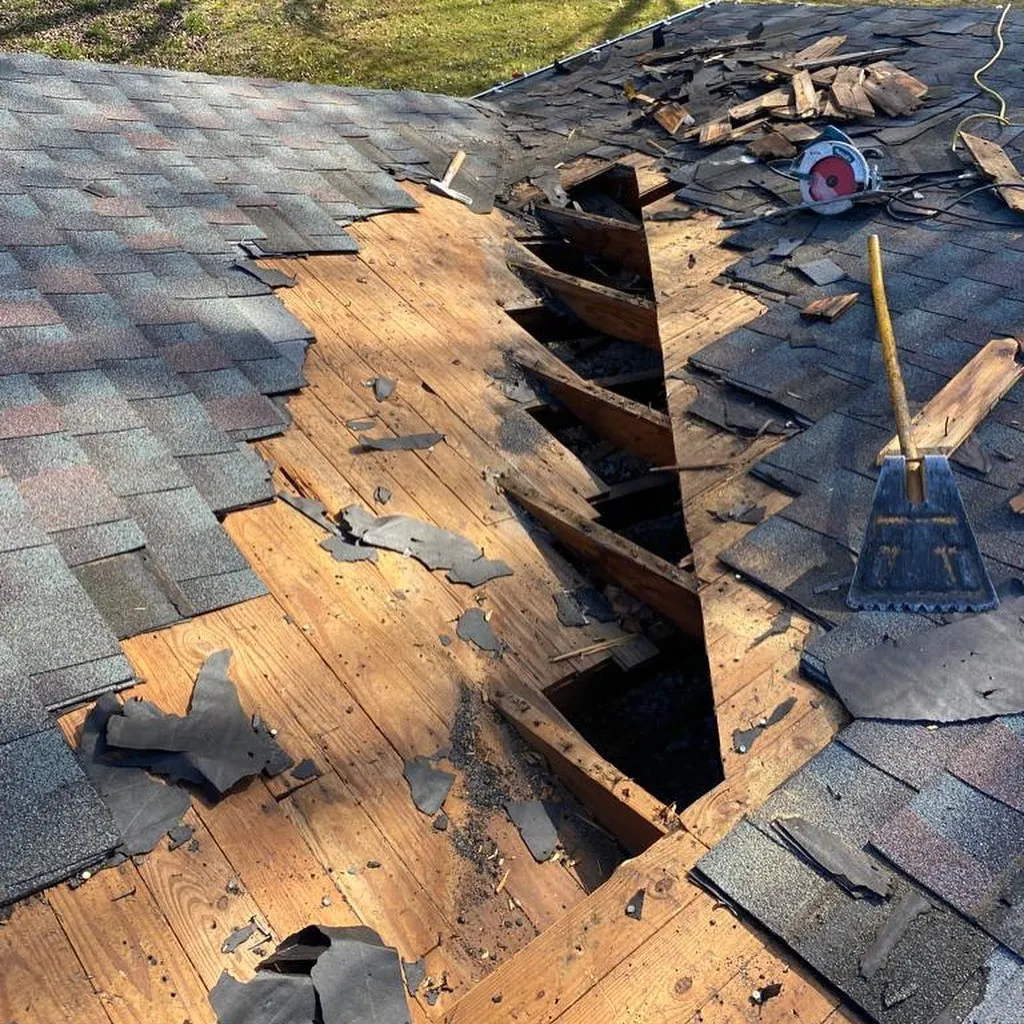
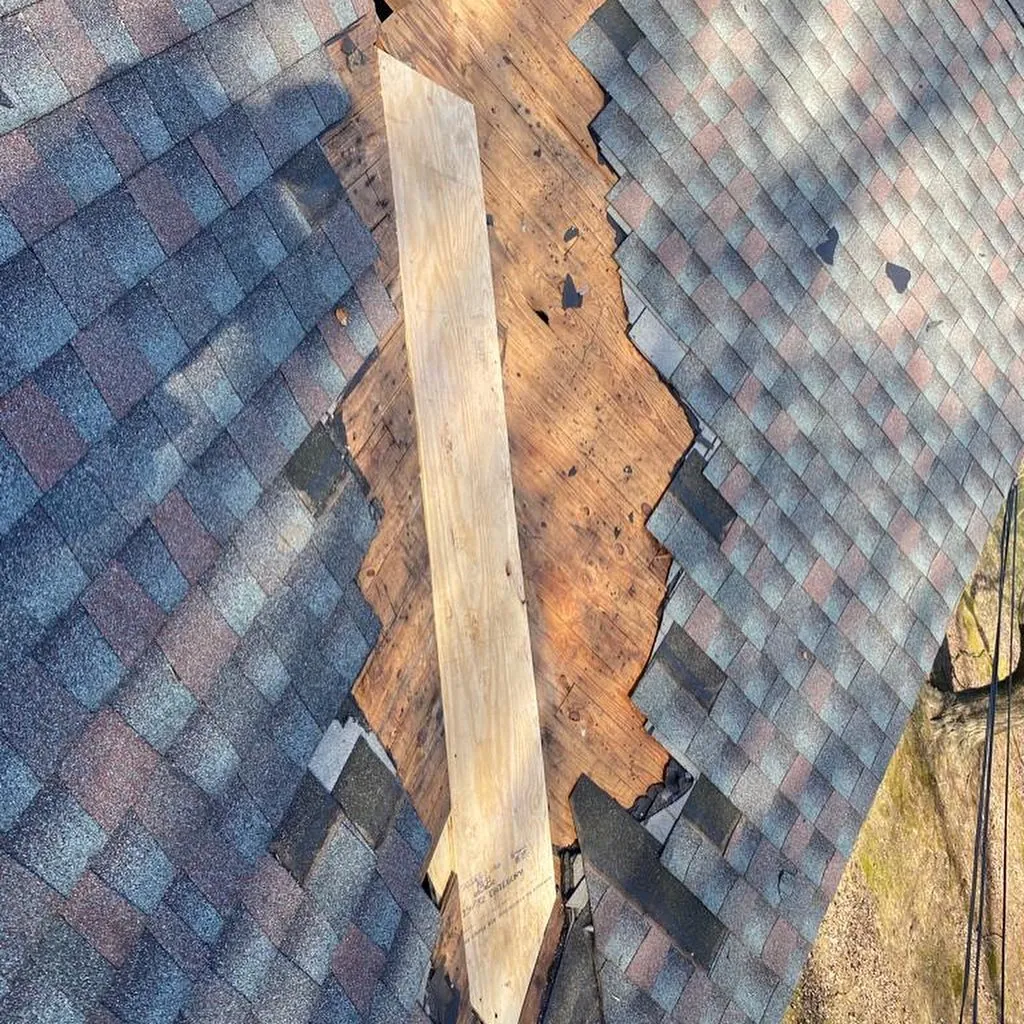
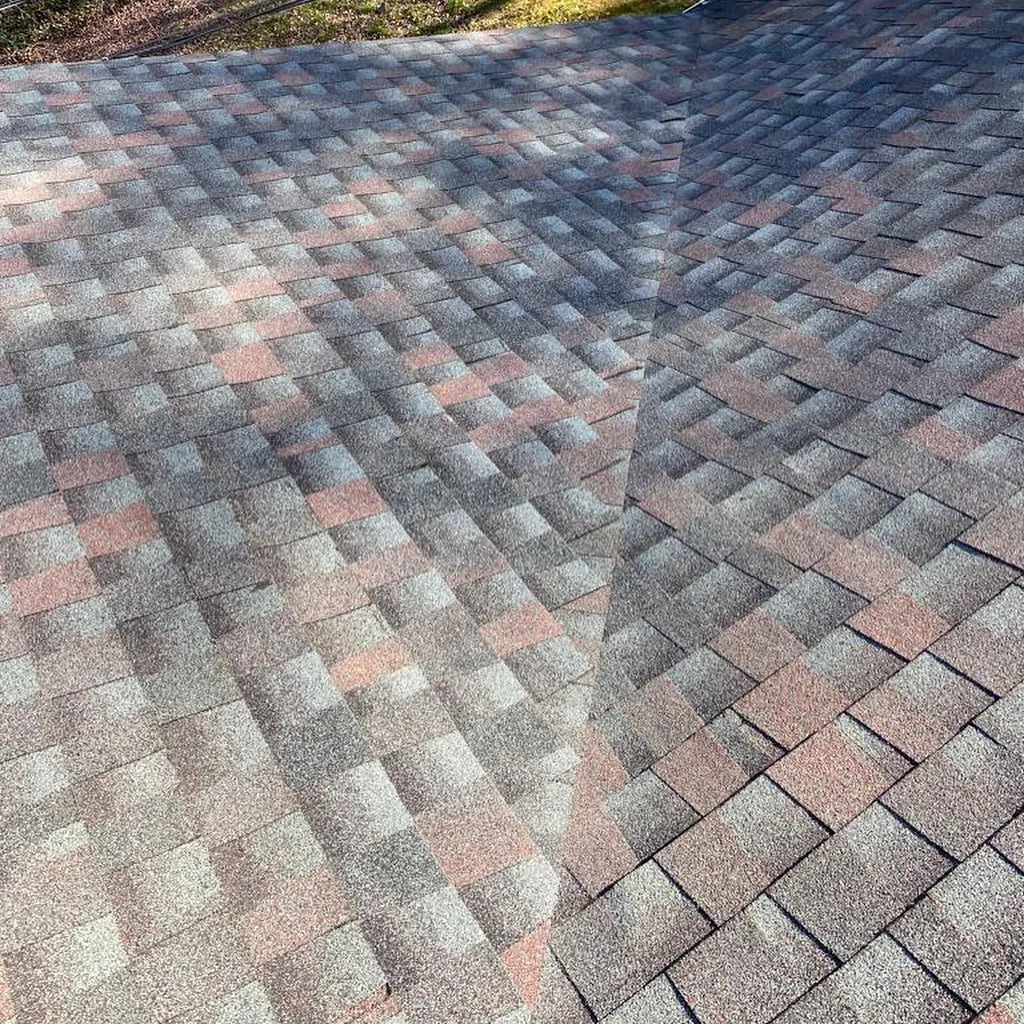
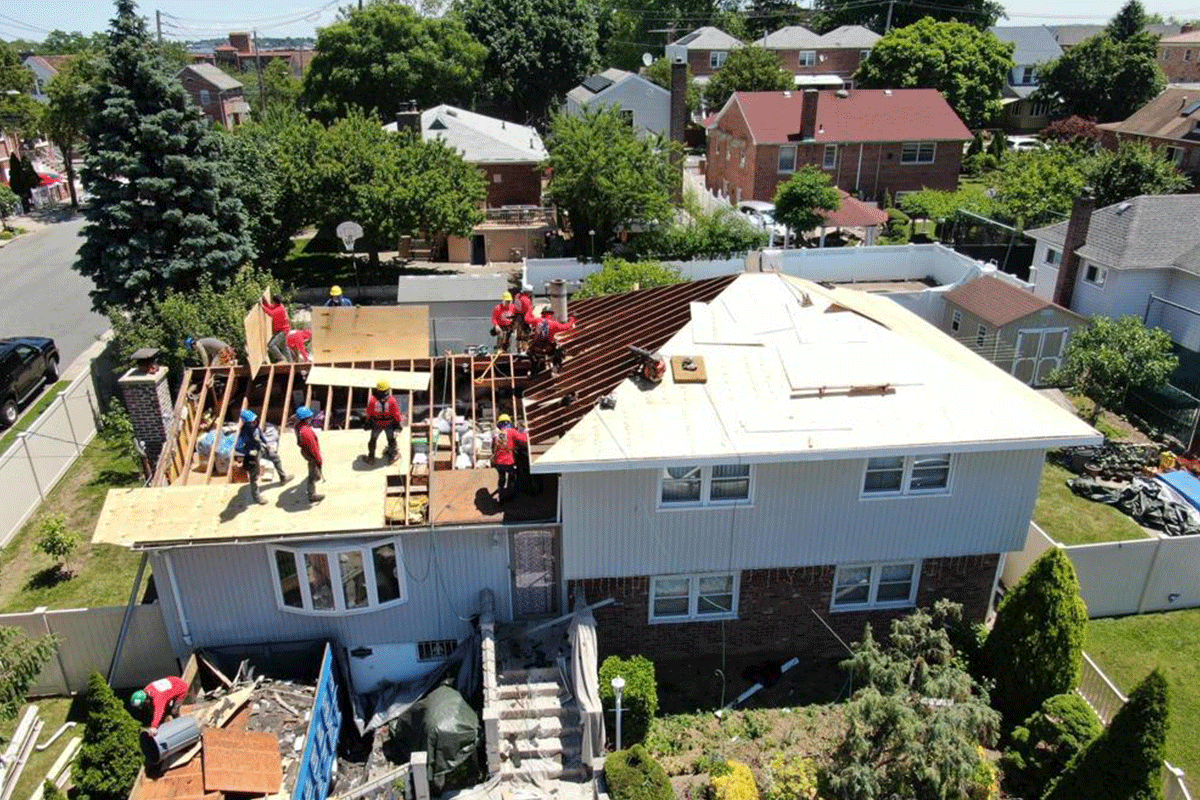
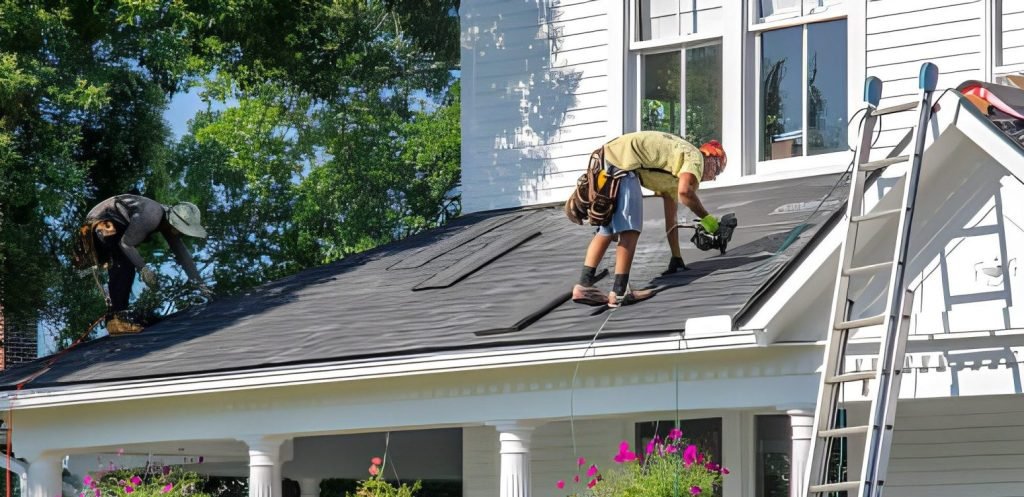
A homeowner reported water staining that worsened during wind-driven rain but stayed dry in light showers. After tracing the leak, we found the issue at a flashing transition where water was being pushed under the roofing edge and into the assembly. We corrected the flashing detail, secured the surrounding materials, sealed the vulnerable transition points, and provided photo documentation showing the source and the completed repair.
Local FAQs — Essex County
Why does my leak appear in one room, but the roof problem is elsewhere?
Water often travels along roof decking or framing before it drops inside. That’s why leak tracing matters—fixing the “wet spot” alone doesn’t guarantee the leak is solved.
Do you handle leaks around chimneys, skylights, and vents?
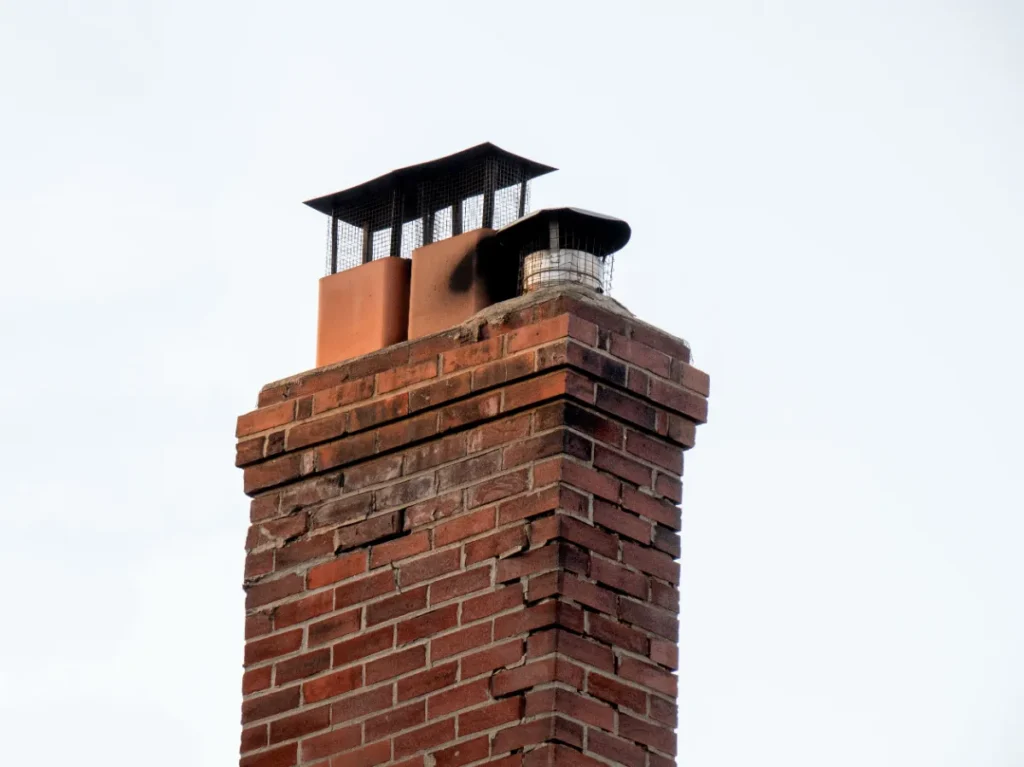
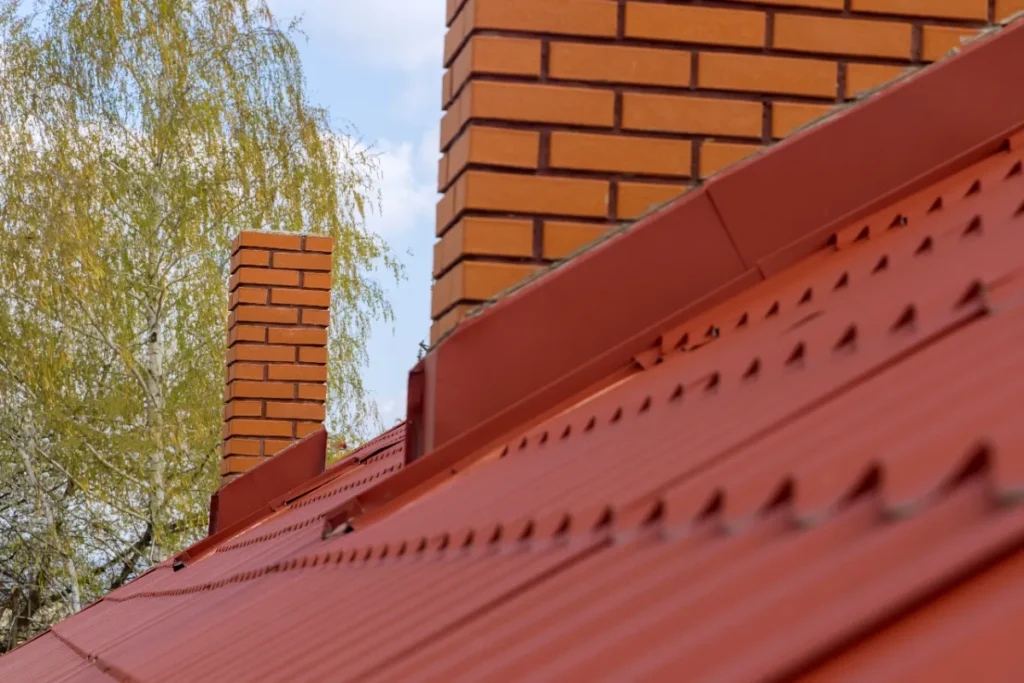
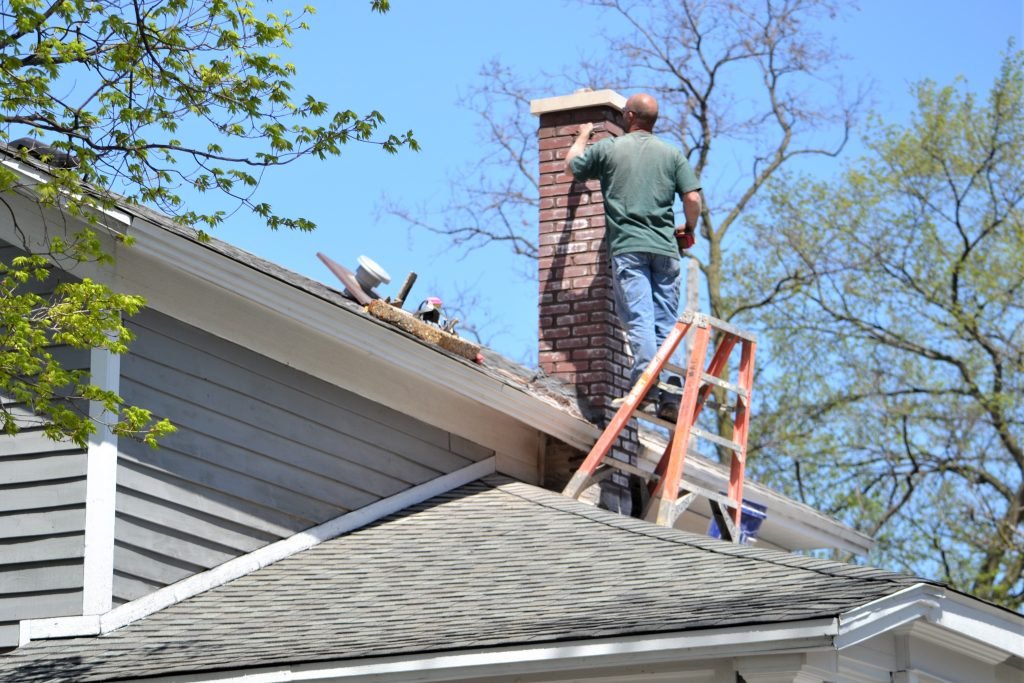
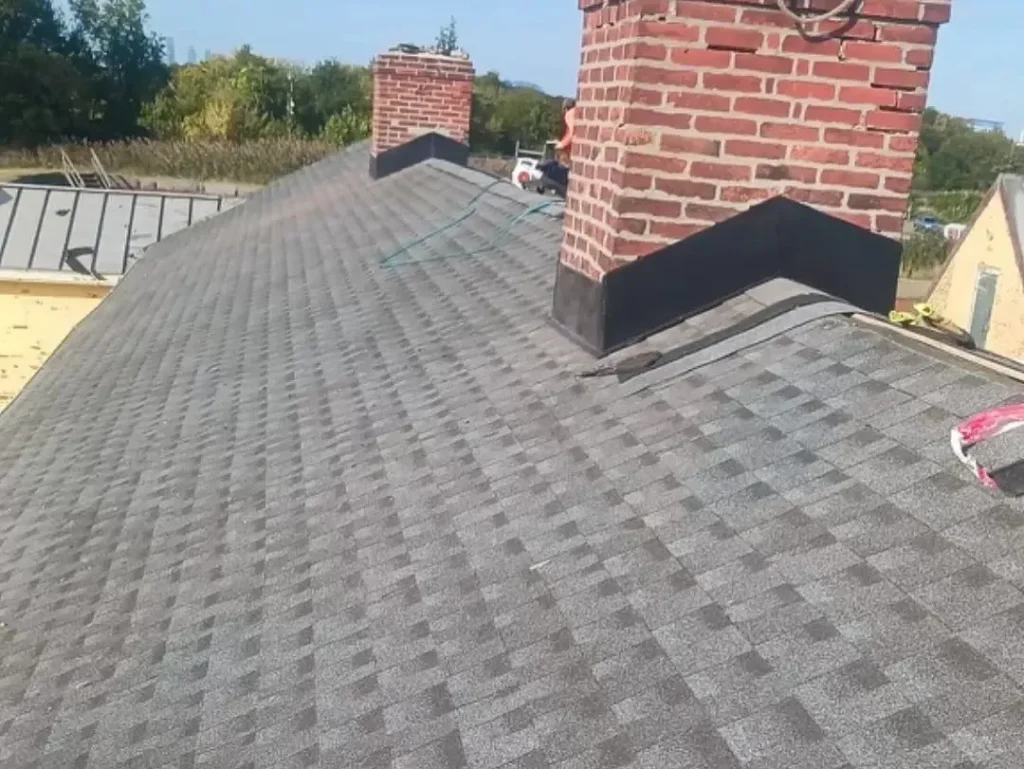
Yes—these areas are among the most common leak sources because they rely on flashing and seals. Proper repair usually means correcting the flashing detail, not just adding caulk.
How do I know if it’s an emergency?
If you see active dripping, sagging drywall, or spreading stains after a storm, treat it as urgent. The sooner you stop water entry, the less chance of insulation saturation and interior damage.
What can I do before you arrive?
Place a container under drips, move valuables, and avoid climbing onto the roof. If you can safely access the attic, take a photo of the wet area and note when it leaks (wind direction, heavy rain, snow melt).
Tip: If the leak happens mainly during strong wind, the source is often a flashing edge, a penetration, or a lifted shingle tab where rain is being driven upward.