



Roof Leak Repair in Hunterdon County, NJ: Local Service Details
Roof leaks in Hunterdon County often show up after heavy rain, snow melt, or repeated freeze/thaw cycles—especially when flashing details loosen, shingles crack, or ice-related moisture finds a weak point near valleys and roof edges. Because water can travel along the roof deck before it appears inside, the most dependable repair starts with leak tracing to locate the true entry point and then fixing the roof detail that failed (not just the interior stain).
Areas We Serve Across Hunterdon County
- Flemington
- Clinton
- Raritan Township
- Readington Township
- Lebanon
- Lebanon Township
- Tewksbury Township
- East Amwell Township
- West Amwell Township
- High Bridge
- Califon
- Lambertville
Mini Case Study (Example)
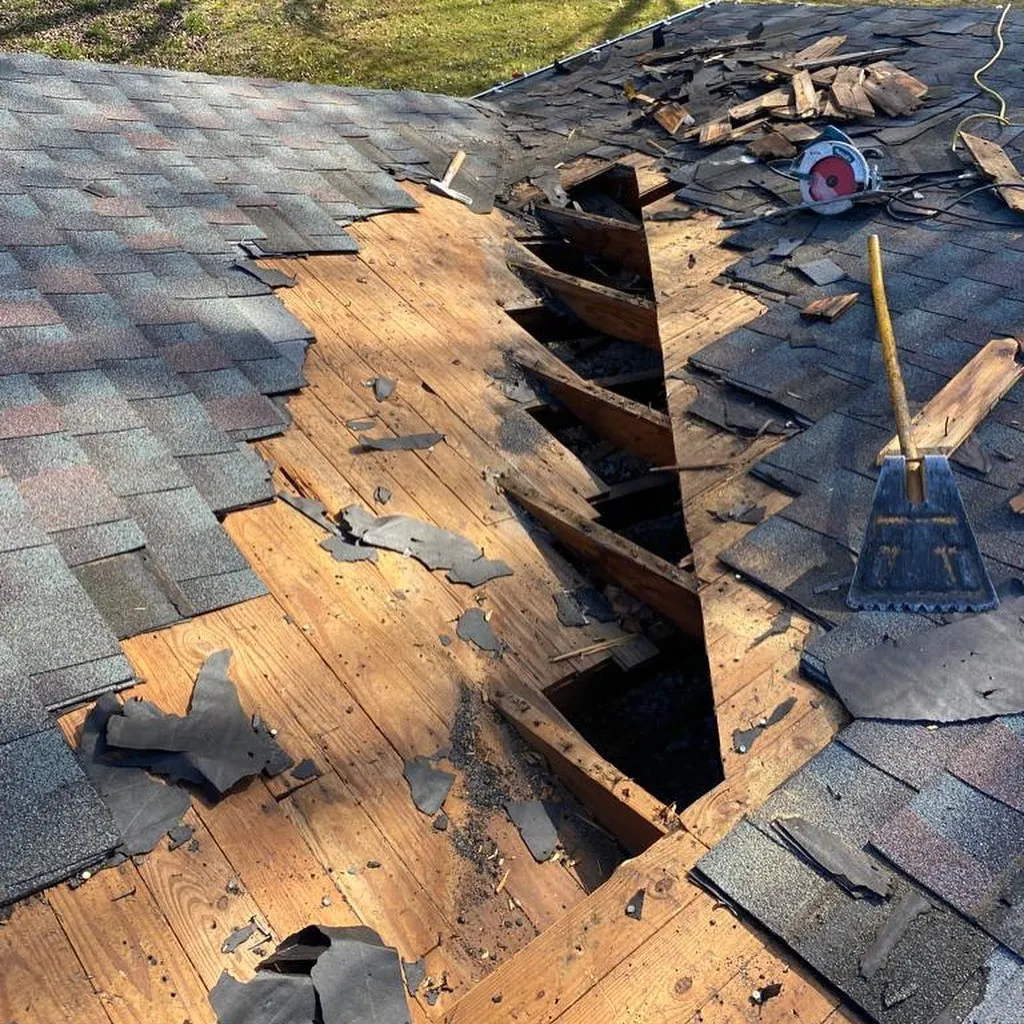
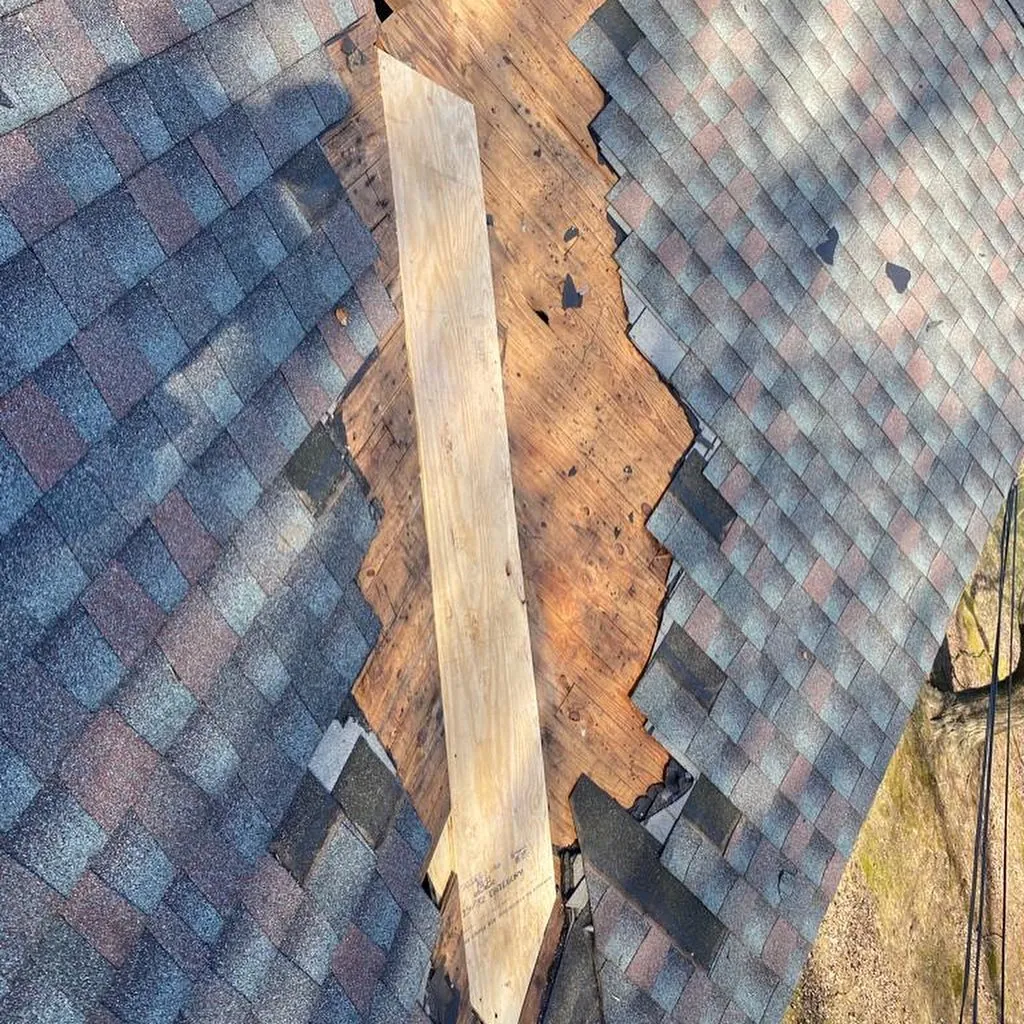
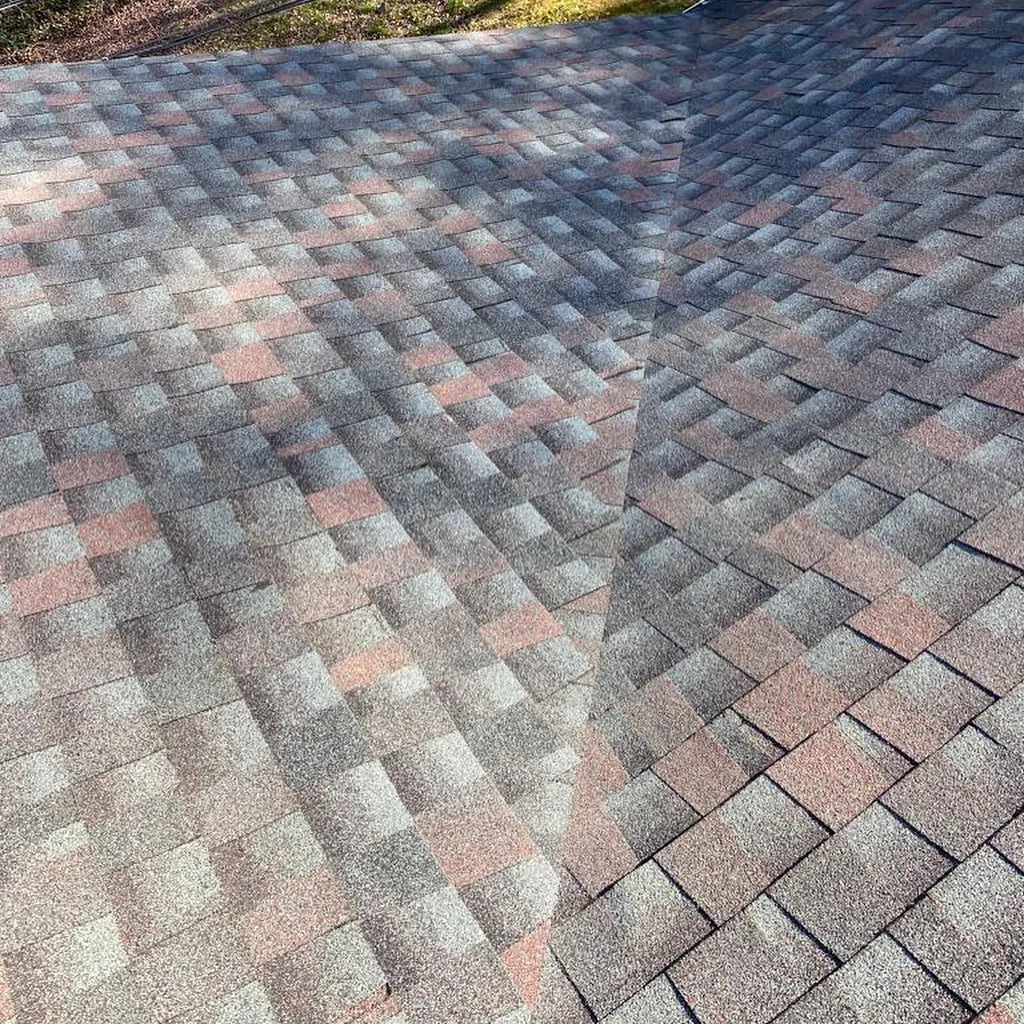
A homeowner noticed a ceiling stain that grew after snow melt and then reappeared during the next heavy rain. Inspection showed water entering near a valley/flashing transition and migrating along the decking before dropping inside. We corrected the transition detail, replaced the compromised materials in the affected area, sealed the vulnerable points with compatible products, and provided photos documenting the source and completed repair.
Local FAQs — Hunterdon County
Why do leaks appear after snow melt even when it isn’t raining?
Melting snow can feed water into valleys, roof edges, and flashing transitions for hours. If a weak point exists, moisture can enter slowly and show up later inside the home.
Are valleys and chimneys common leak areas?
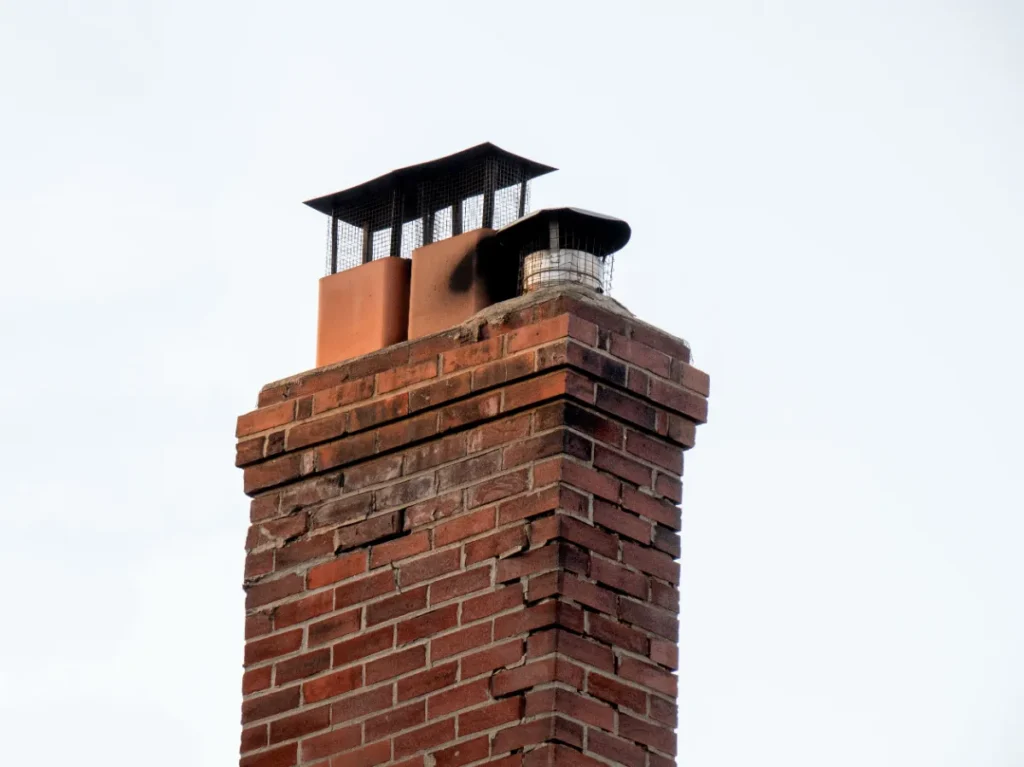
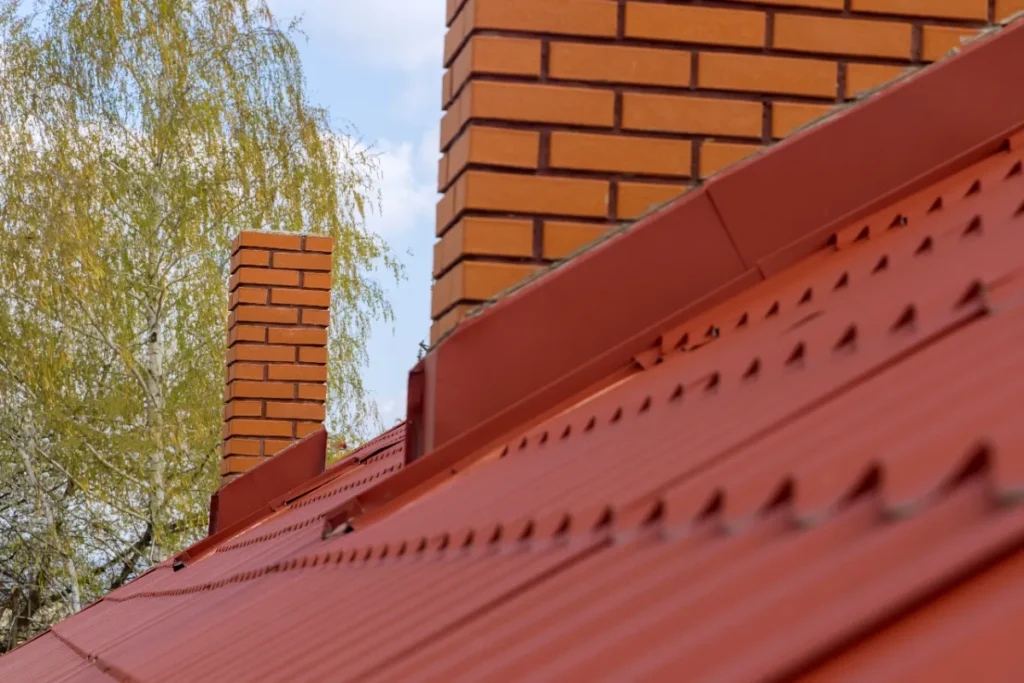
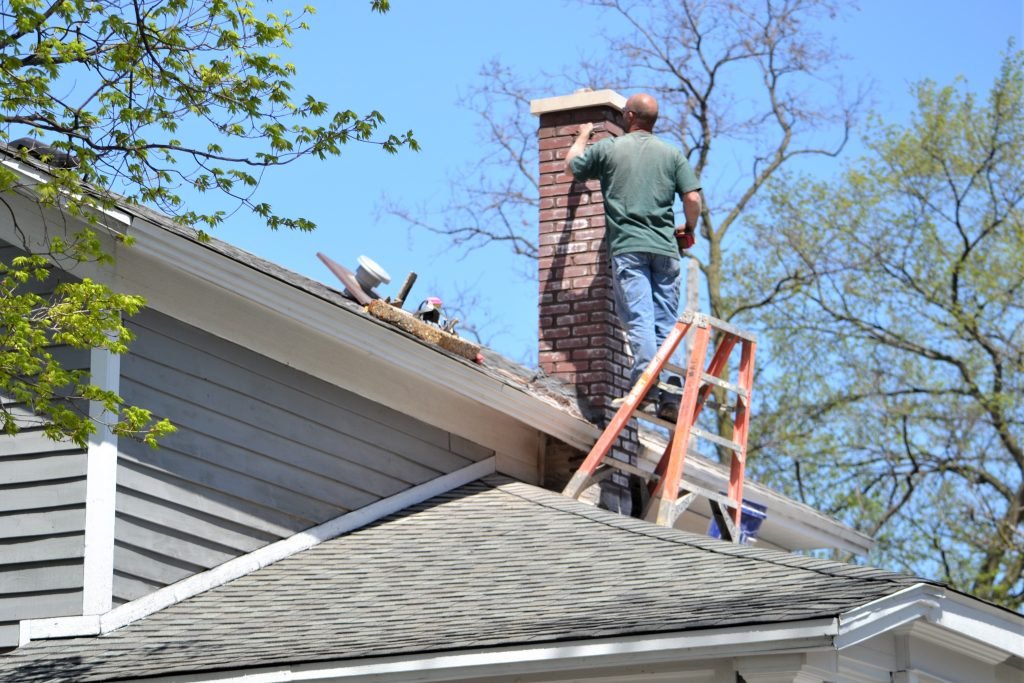
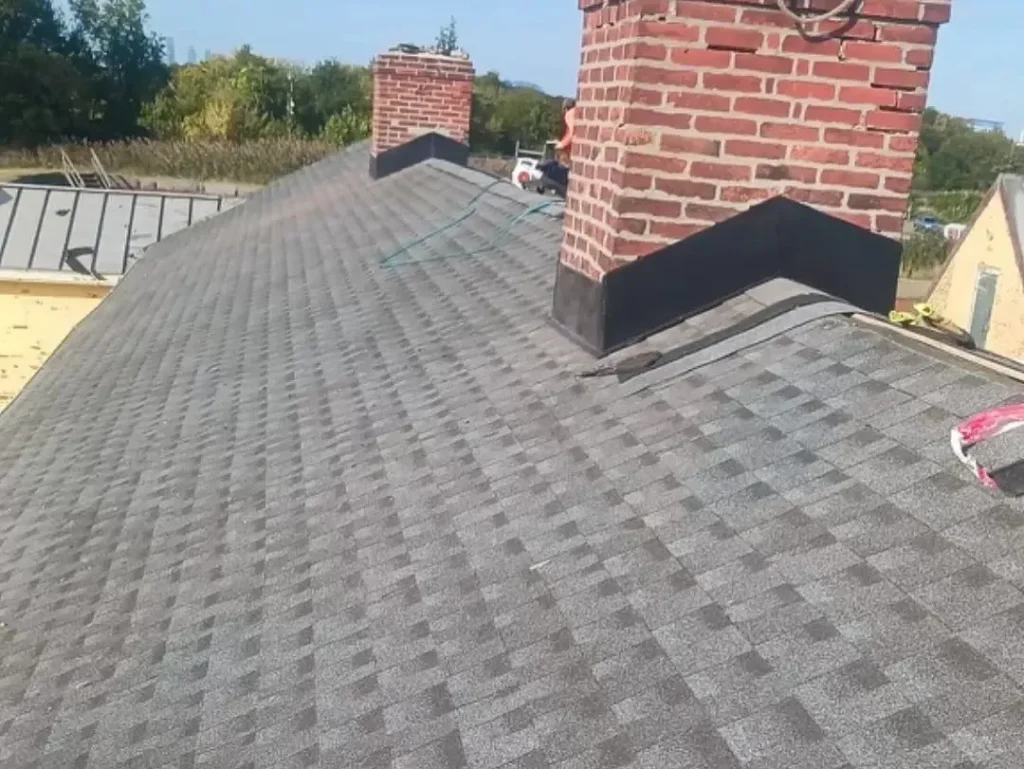
Yes. Valleys collect runoff, and chimneys rely on step flashing and counterflashing. When these details loosen or wear out, leaks often follow—especially in storms or during freeze/thaw periods.
Can a small leak cause bigger problems if I wait?
It can. Even minor water entry can soak insulation, stain drywall, and create ongoing moisture issues. Early repair is usually simpler and less disruptive.
What should I do while waiting for an inspection?
Catch drips, move valuables, and avoid climbing onto the roof. If safe, take photos of interior staining and note the timing (heavy rain, wind direction, after snow melt). That detail helps pinpoint the source faster.
Tip: If the leak happens mainly in late winter/early spring, the source is often a valley, roof edge, or flashing transition stressed by ice and temperature swings.