



Roof Leak Repair in Bergenfield, NJ: Local Service Details
Roof leaks in Bergenfield can show up quickly after heavy rain or wind-driven storms—often as ceiling stains, bubbling paint, damp insulation, or a musty attic smell. Because water can travel along the roof decking and framing before it becomes visible indoors, the most reliable repair starts with leak tracing to pinpoint the true entry point and then fixing the roof detail that failed (flashing, valleys, penetrations, shingles, or low-slope seams)—not just the interior symptom.
Neighborhoods & Nearby Areas We Commonly Serve
- Bergenfield (all local neighborhoods)
- Dumont
- Teaneck
- Englewood
- Hackensack
- New Milford
- Tenafly
- Cresskill
- Paramus
- River Edge
- Oradell
- Bogota
Mini Case Study (Example)
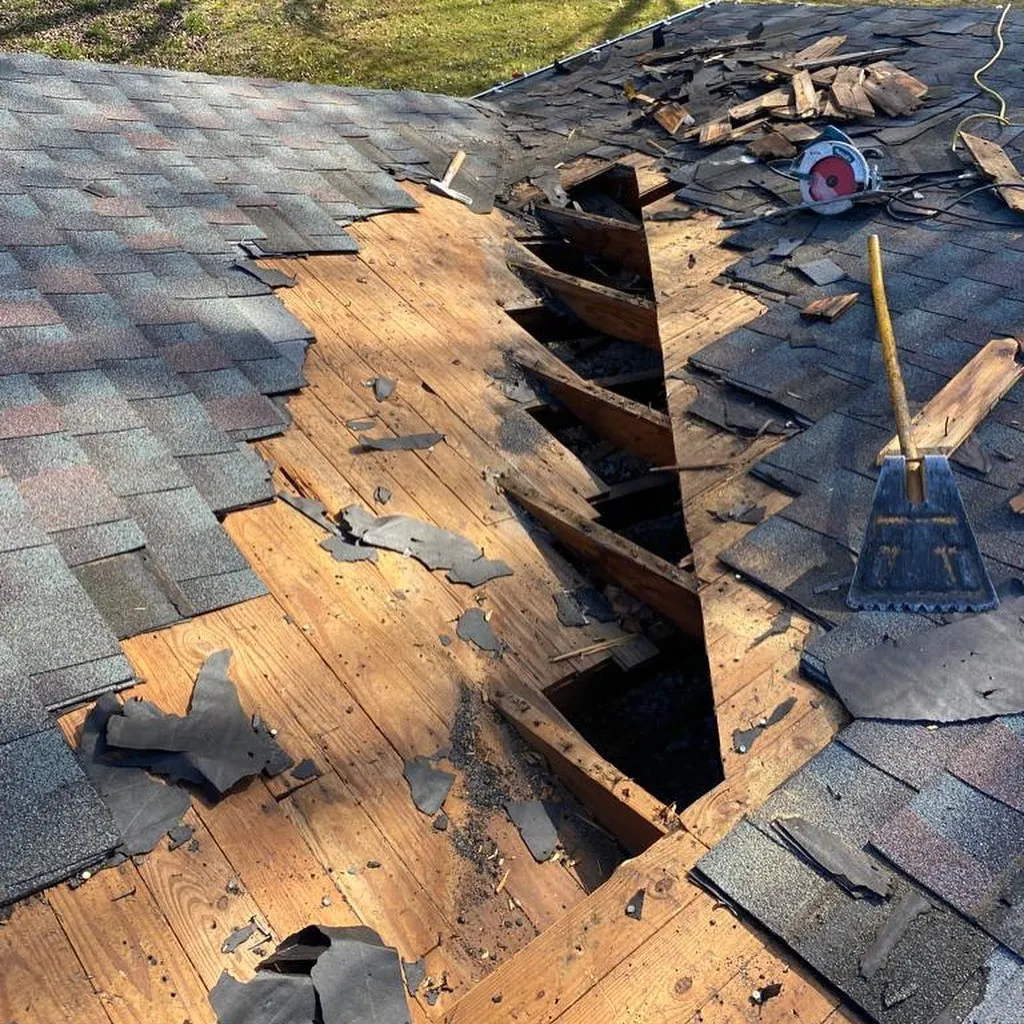
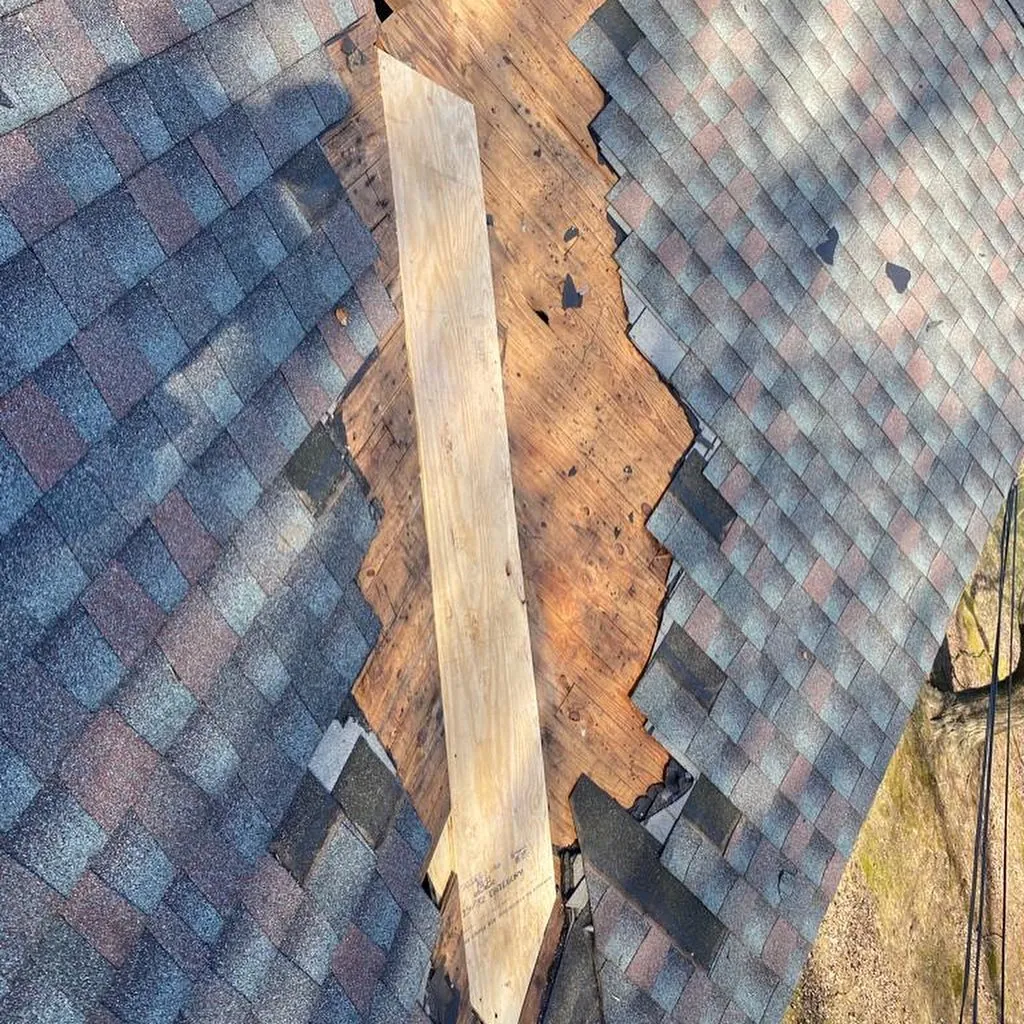
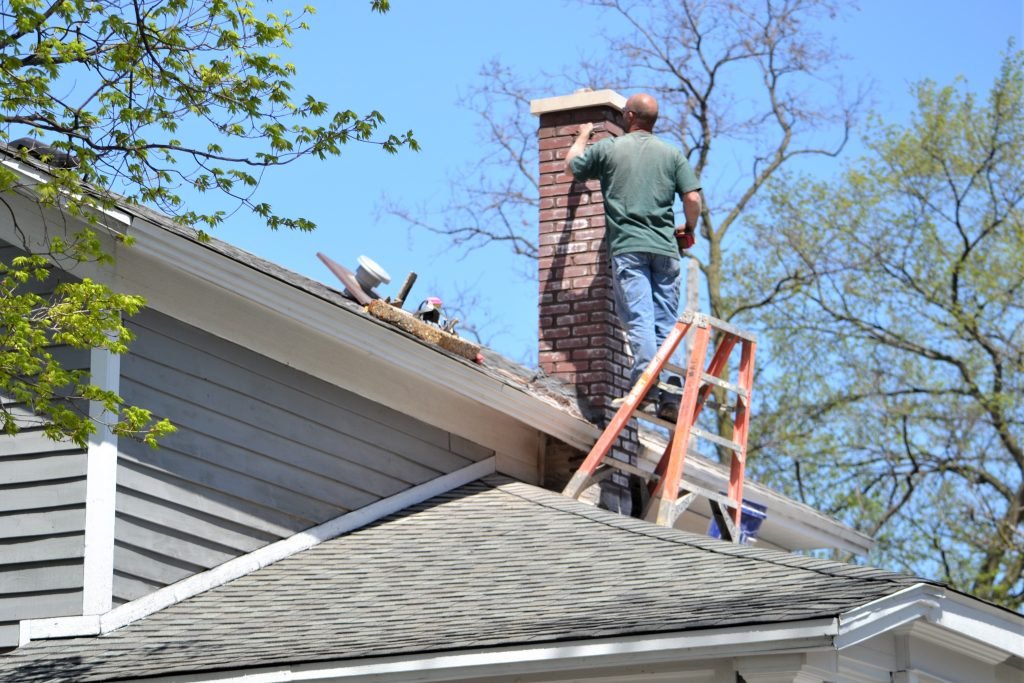
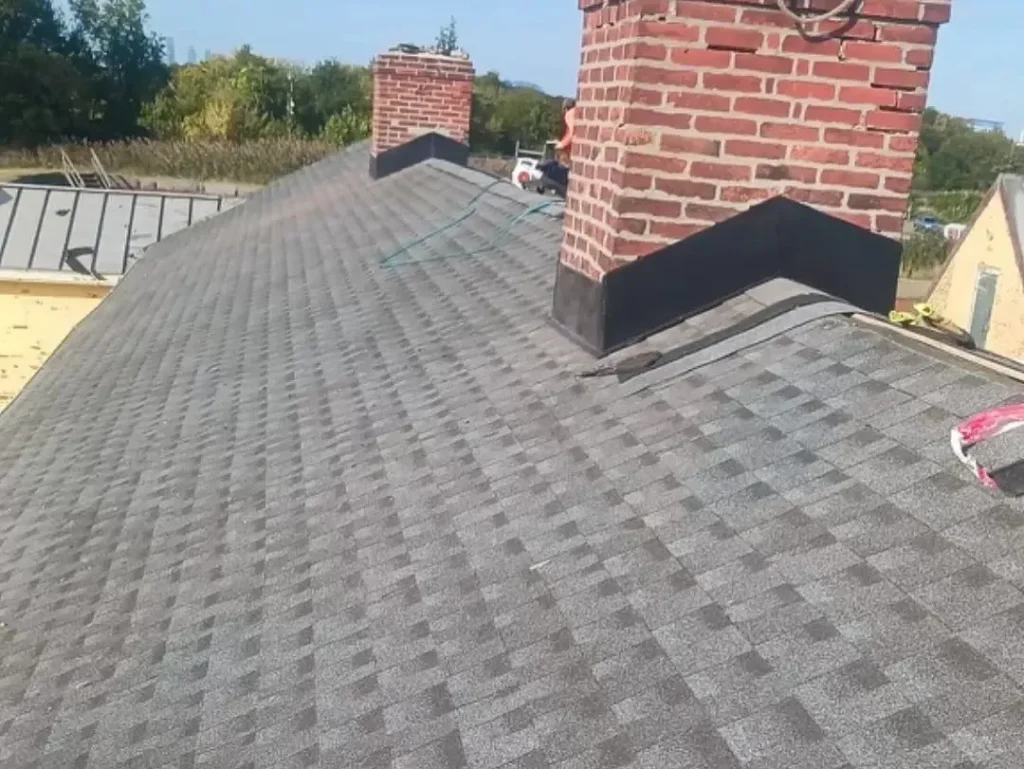
A homeowner noticed a recurring stain that only appeared during hard rain. Inspection traced the leak to a compromised flashing transition near a roof penetration where water was getting under the roofing and traveling before dropping into the ceiling area. We corrected the flashing detail, replaced the affected materials at the entry point, reinforced the surrounding area with compatible products, and documented the repair with photos.
Local FAQs — Bergenfield
Why does my roof leak only during heavy rain?
When rainfall is intense, water can overwhelm weak points at flashing transitions, valleys, or penetrations. If there’s a small gap, heavy rain can force water into the roof system and the leak becomes noticeable indoors.
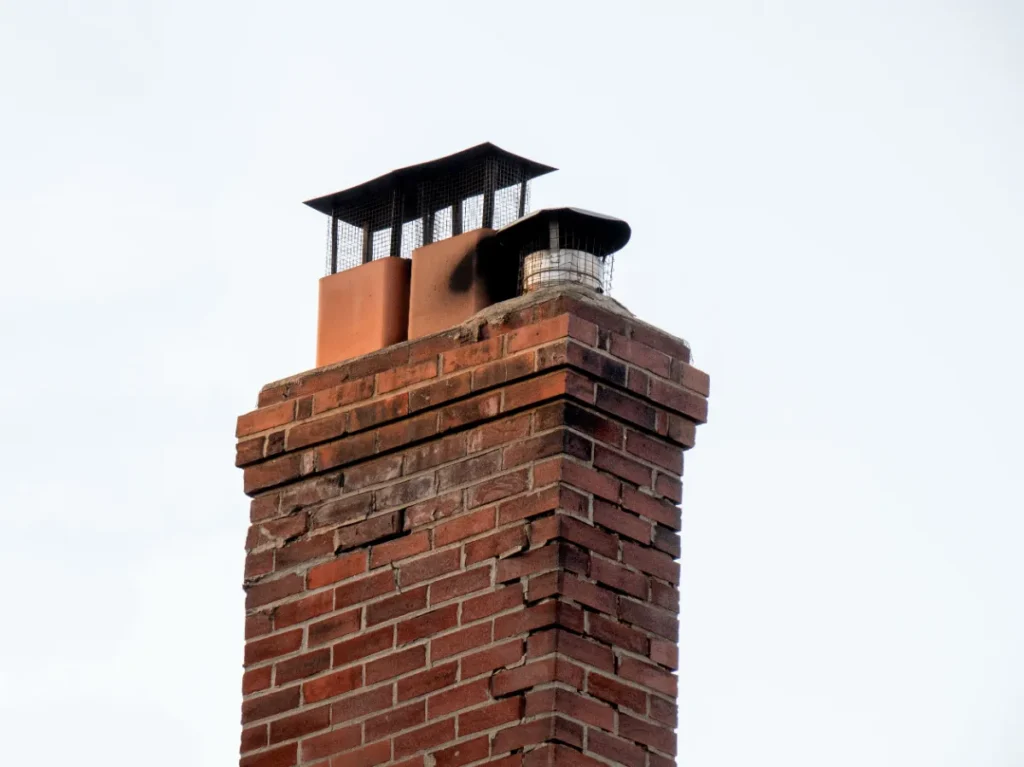
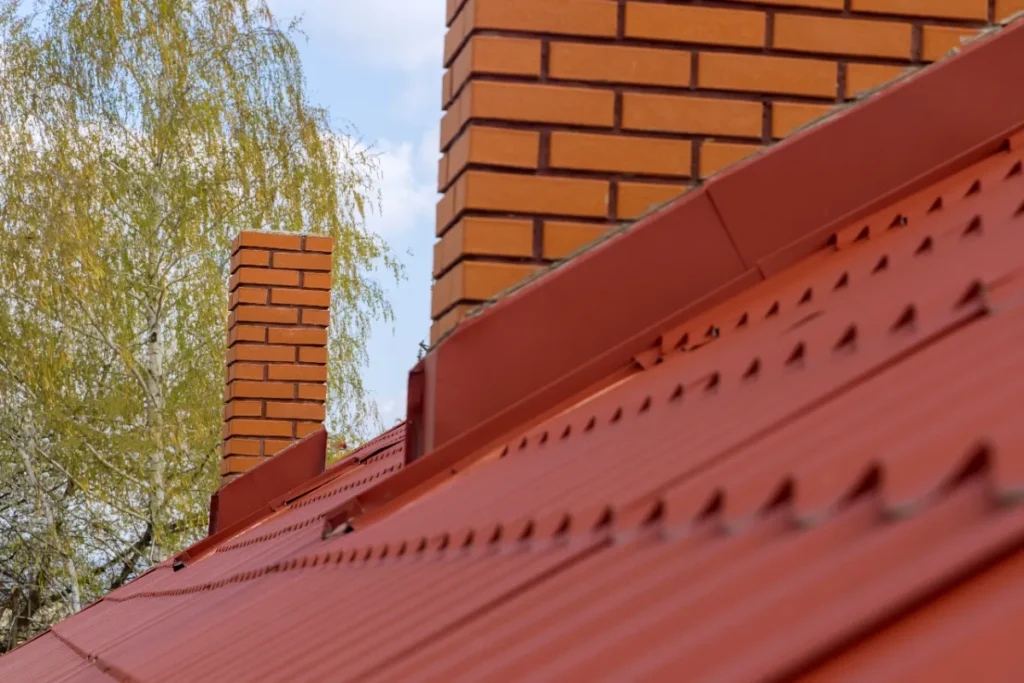
Are chimney and vent pipe leaks common in this area?
Yes. Chimneys, vents, and other roof penetrations rely on flashing and seals, which can wear out over time. Proper repair usually means correcting the flashing detail—not just adding caulk.
Can a small leak cause bigger damage if I wait?
It can. Even minor water entry can soak insulation and stain drywall, and repeated moisture can create ongoing problems. Early diagnosis and repair are usually simpler and more cost-effective.
What should I do while waiting for an inspection?
Catch drips with a container, move valuables away from the leak area, and avoid climbing onto the roof. If safe, take interior photos and note the timing (heavy rain, wind direction, after snow melt).
Tip: If the leak shows up mainly during windy storms, the source is often a flashing edge or a lifted shingle tab where rain is being pushed under the roofing.