



Roof Leak Repair in Mahwah, NJ: Local Service Details
Roof leaks in Mahwah often show up after heavy rain, snow melt, or freeze/thaw cycles—when shingles become brittle, flashing loosens, or moisture finds weak points at valleys, roof edges, chimneys, and roof penetrations. Because water can travel along the roof decking and framing before it becomes visible indoors as stains, damp drywall, or attic moisture, the most reliable repair starts with leak tracing to pinpoint the true entry point and then fixing the roof detail that failed (flashing, valleys, penetrations, shingles, or low-slope seams)—not just the interior symptom.
Neighborhoods & Nearby Areas We Commonly Serve
- Mahwah (all local neighborhoods)
- Ramsey
- Upper Saddle River
- Saddle River
- Allendale
- Waldwick
- Wyckoff
- Franklin Lakes
- Oakland
- Pompton Lakes
- Ringwood
- Montvale
Mini Case Study (Example)
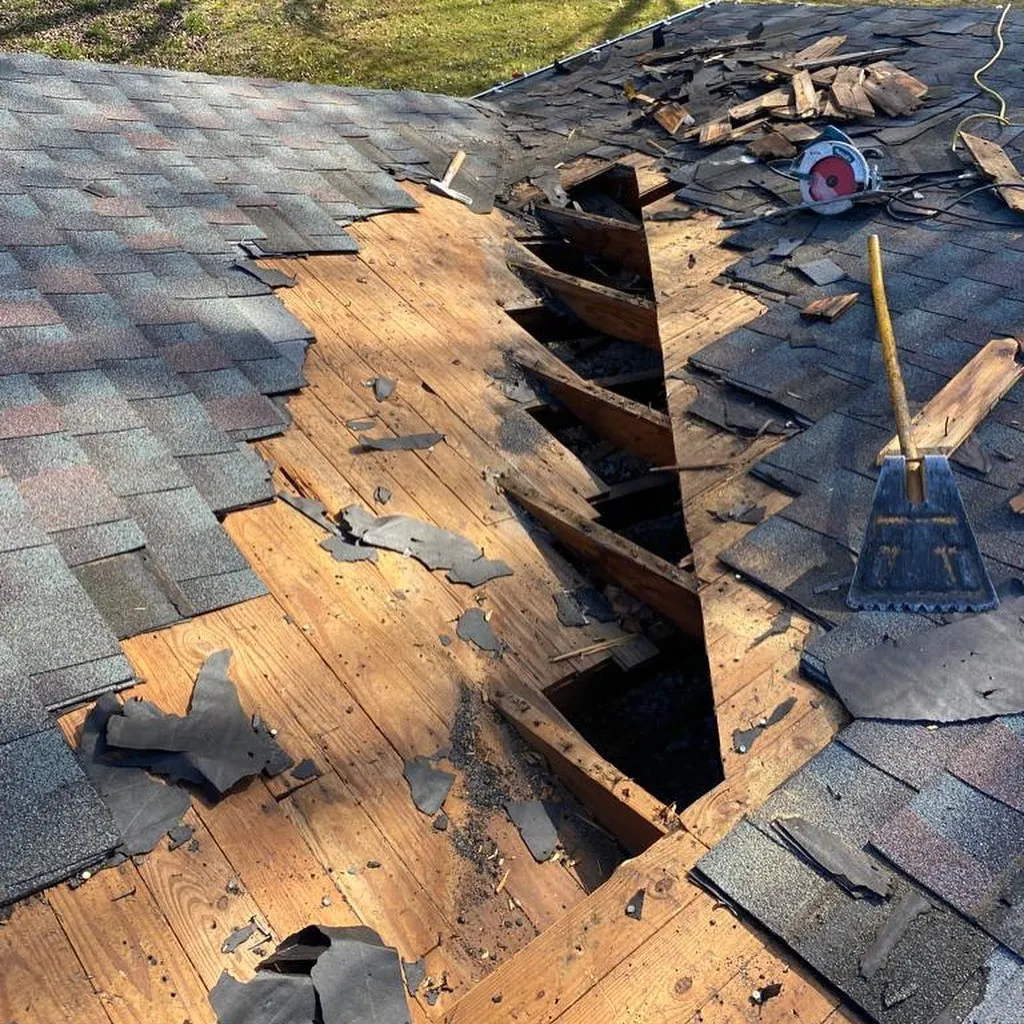
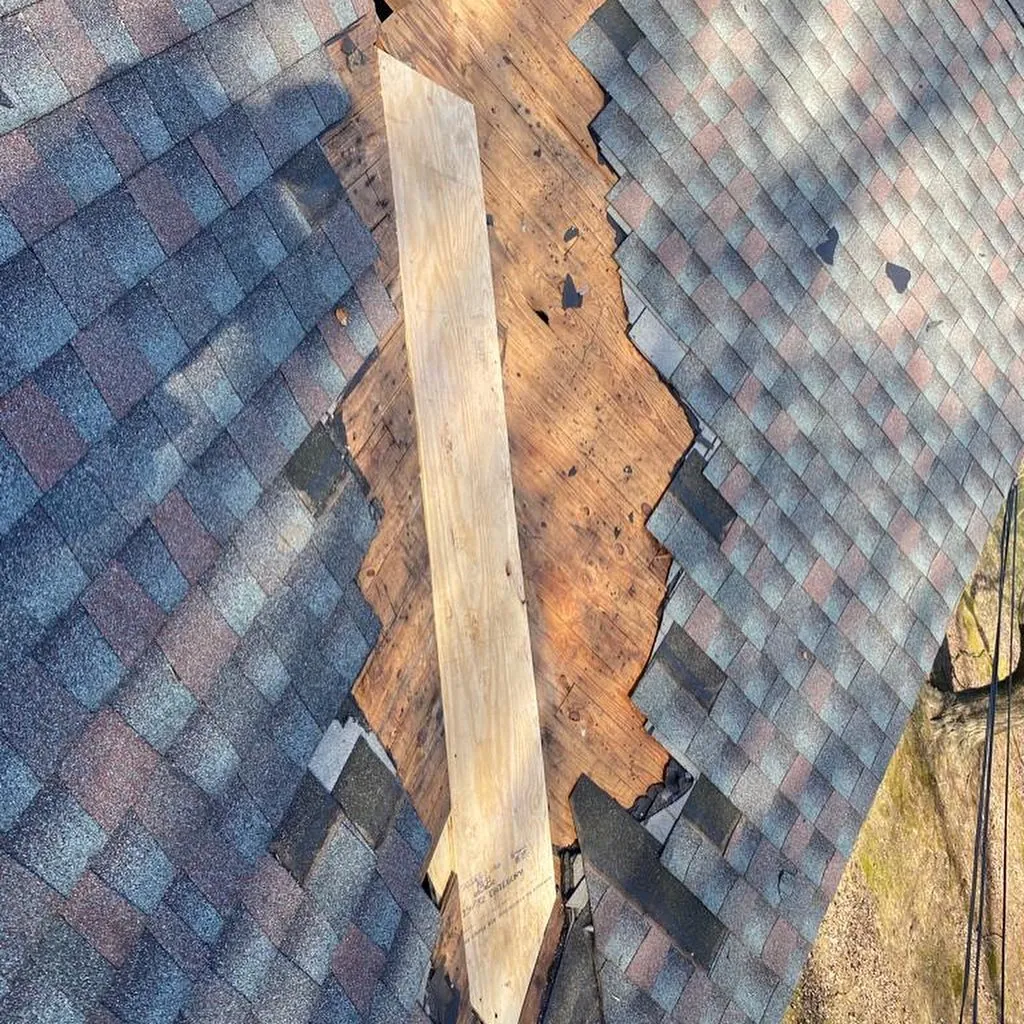
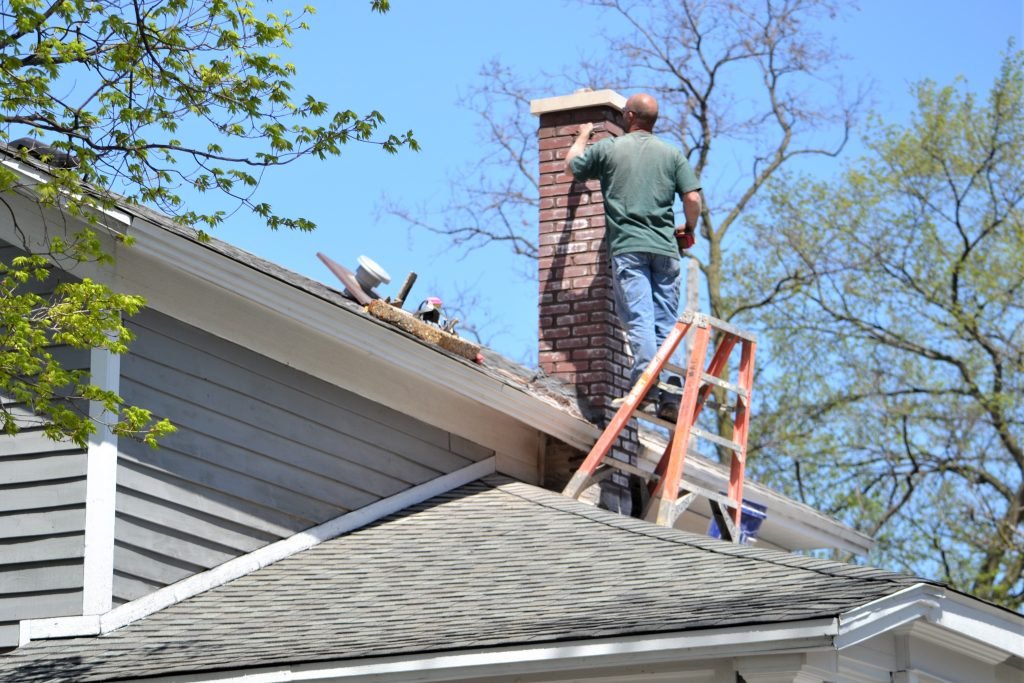
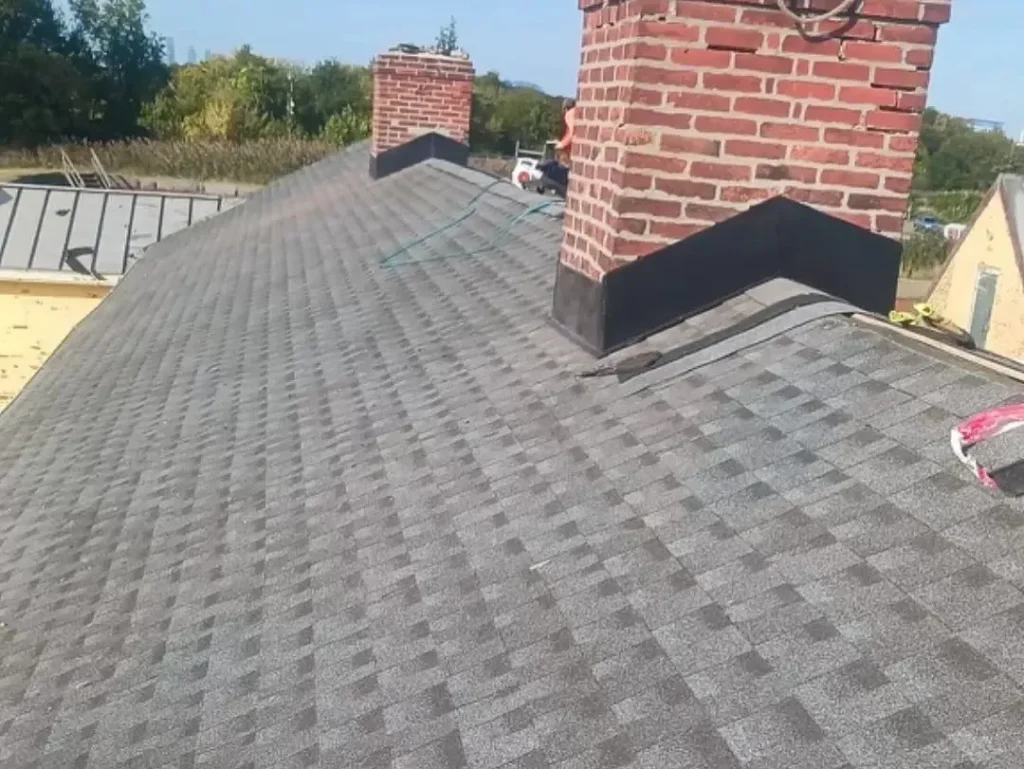
A homeowner noticed a ceiling stain that became more visible after snow melt and then returned during the next heavy rain. Inspection traced the entry point to a stressed transition near a valley/flashing detail where water was getting under the roofing and migrating before dropping inside. We corrected the transition detail, replaced compromised materials at the entry point, reinforced the surrounding area with compatible products, and documented the repair with photos.
Local FAQs — Mahwah
Why do roof leaks happen more in winter or early spring?
Freeze/thaw cycles can open small gaps in flashing and shingles, and melting snow can feed water into valleys and roof edges for hours. If there’s a weak point, moisture can enter and show up inside later.
Are valleys, chimneys, and roof edges common leak sources?
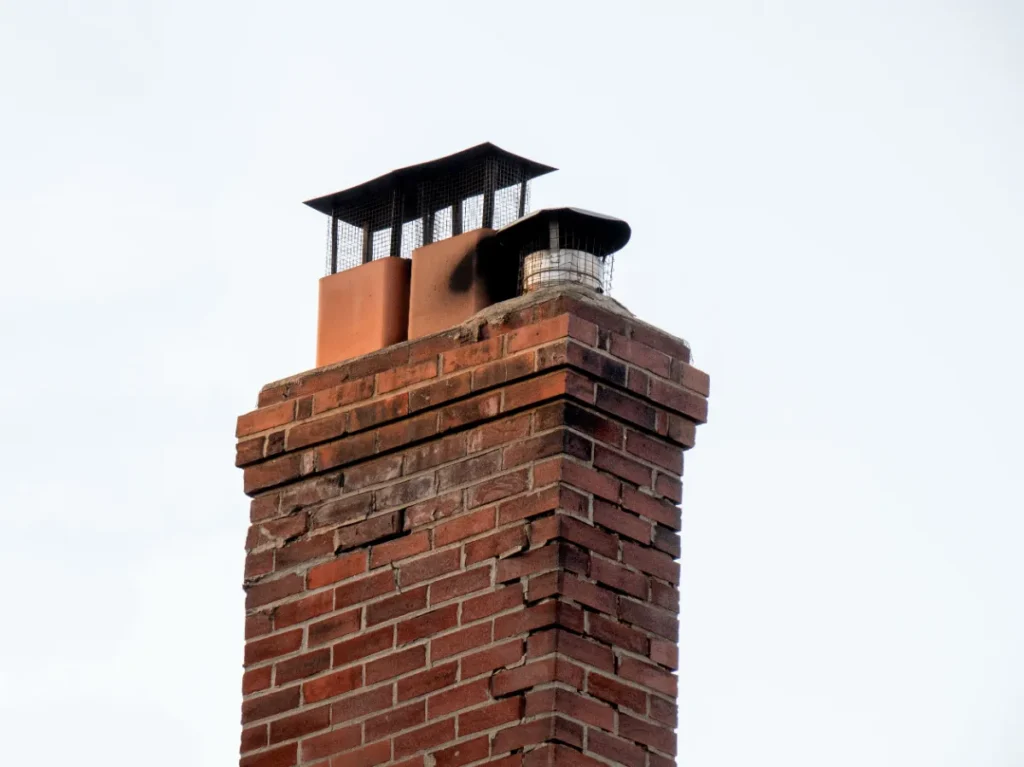
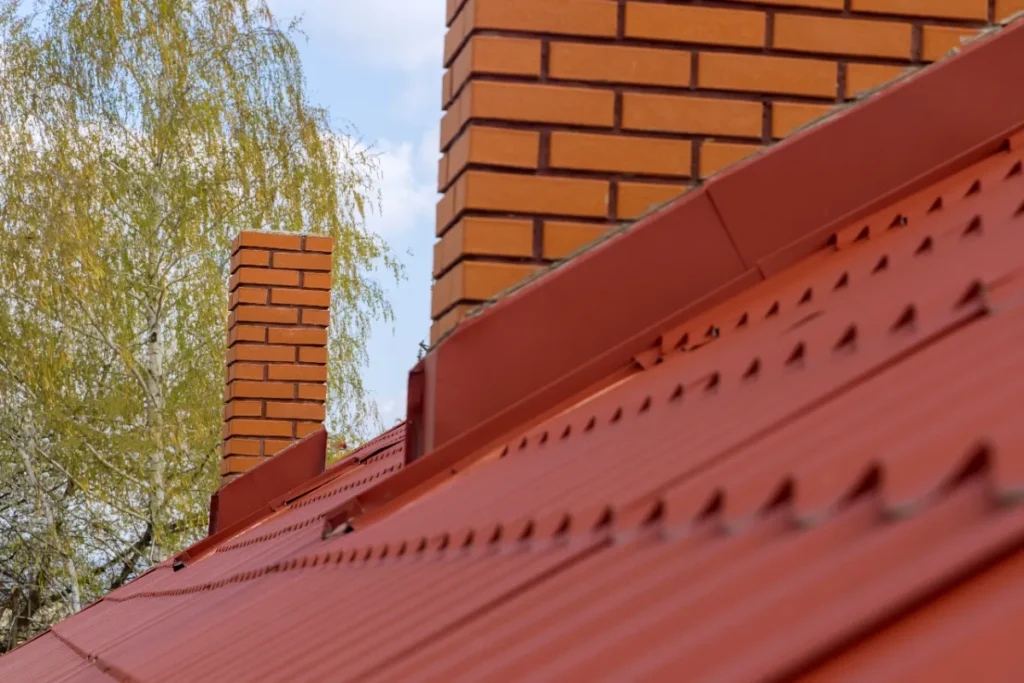
Yes. Valleys carry concentrated runoff, chimneys rely on layered flashing details, and roof edges can be vulnerable during icy conditions. These areas are frequent leak zones.
Can a small leak turn into a bigger problem?
It can. Even minor water entry can soak insulation, stain drywall, and create ongoing moisture issues. Early diagnosis and repair are usually simpler and more cost-effective.
What should I do while waiting for an inspection?
Catch drips with a container, move valuables away from the leak area, and avoid climbing onto the roof. If safe, take photos of interior staining and note when it happens (after snow melt, during heavy rain, or with certain wind directions).
Tip: If the leak appears mainly after snow melt, the source is often a valley, roof edge, or flashing transition that’s been stressed by ice and temperature swings.