



Roof Leak Repair in Hudson County, NJ: Local Service Details
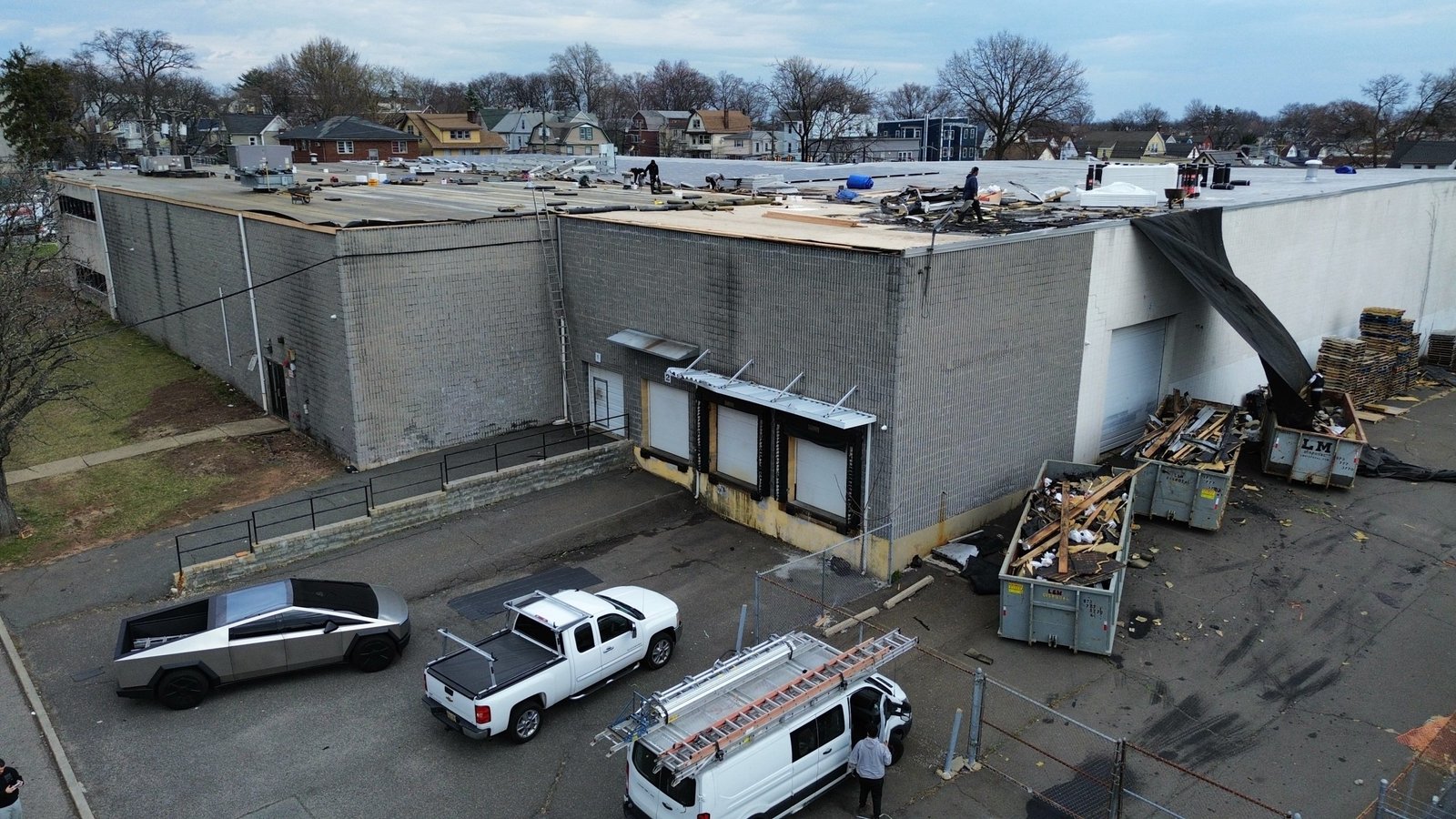
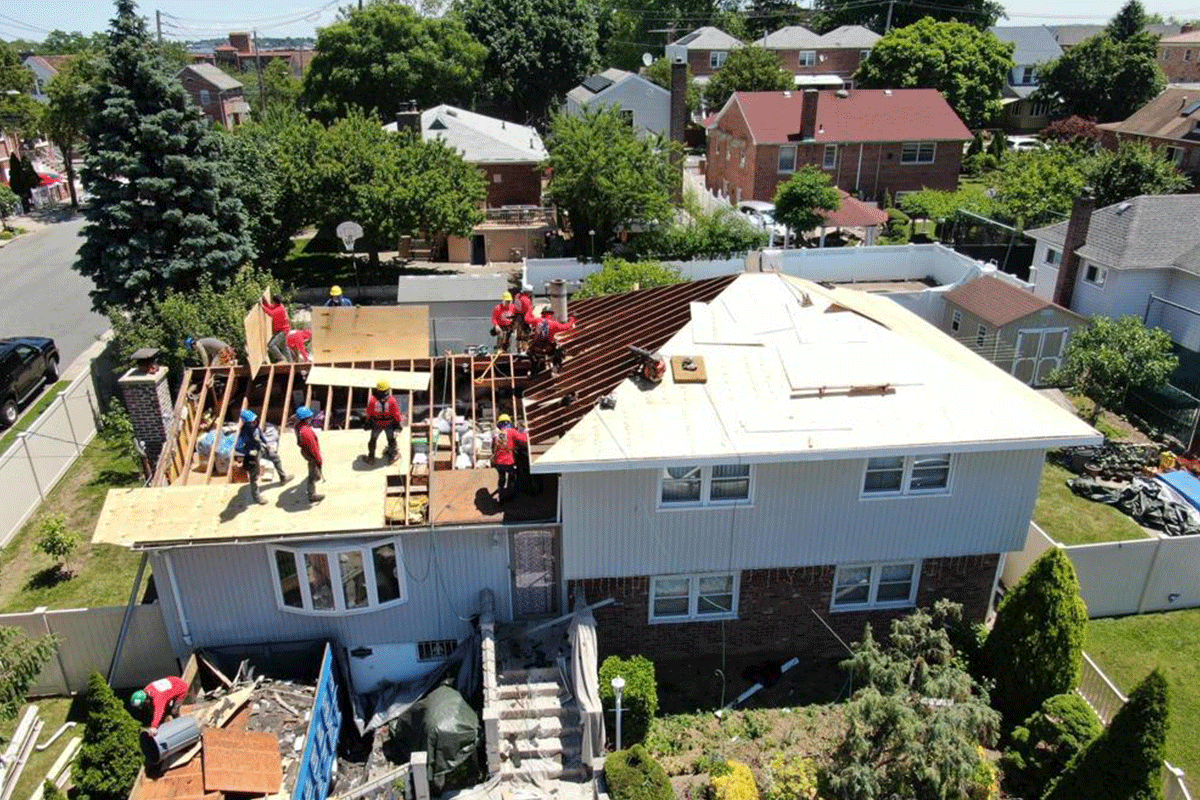
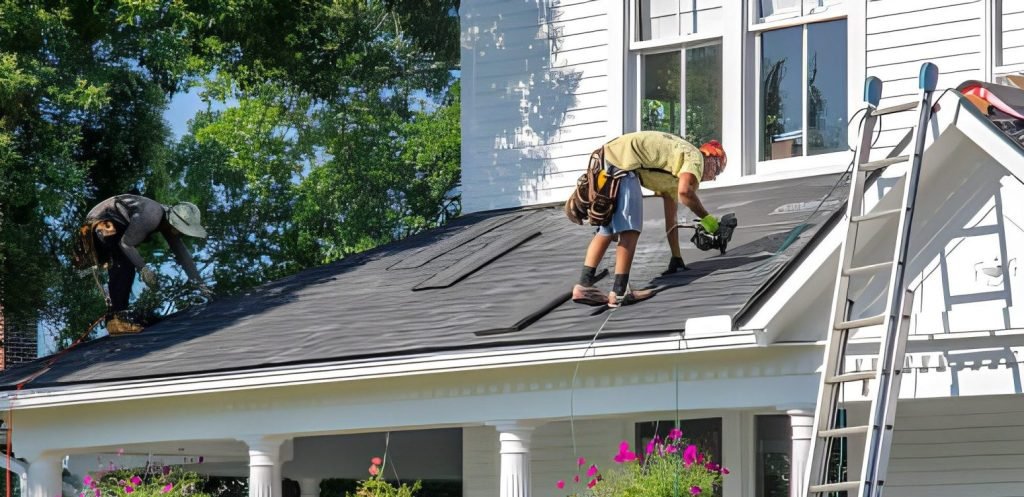
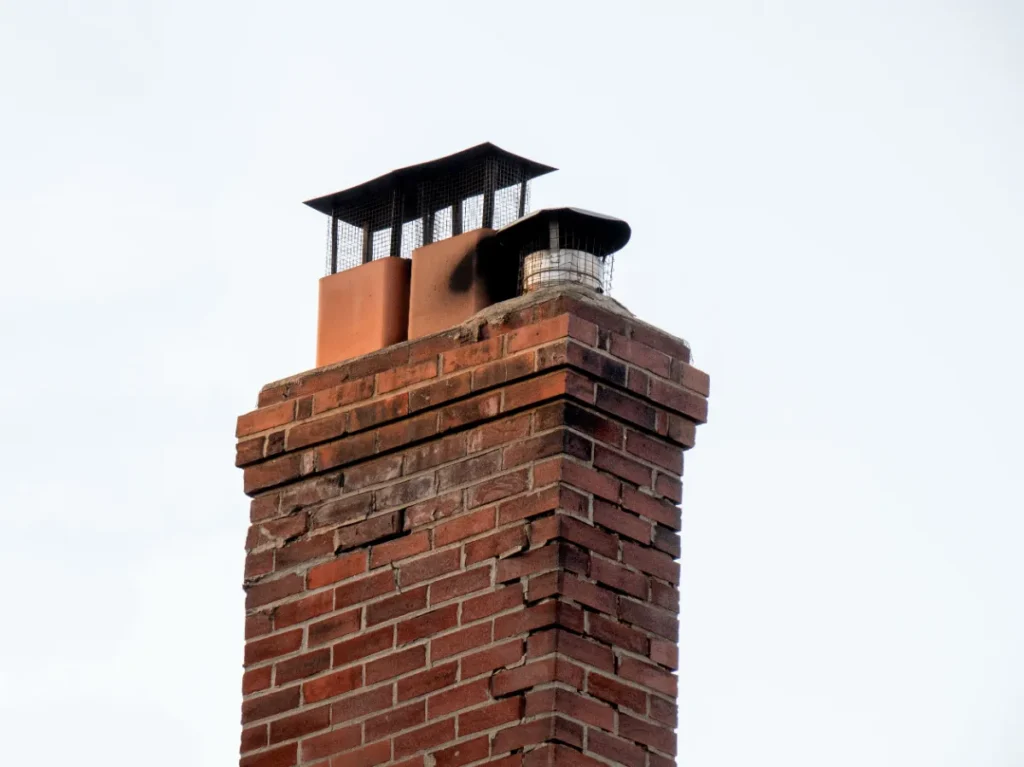
Roof leaks in Hudson County often hit hardest during wind-driven rain and fast-moving storms—especially on older roofs, flat/low-slope sections, and around rooftop penetrations. Many leaks start at flashing edges, parapet walls, skylights, vents, or worn membrane seams, then travel before showing up as ceiling stains, bubbling paint, or damp insulation. The most reliable repair is the one that identifies the true entry point and fixes the roof detail that failed—not just the interior symptom.
Areas We Serve Across Hudson County
- Jersey City
- Hoboken
- Union City
- West New York
- Weehawken
- North Bergen
- Secaucus
- Kearny
- Bayonne
- Guttenberg
Mini Case Study (Example)
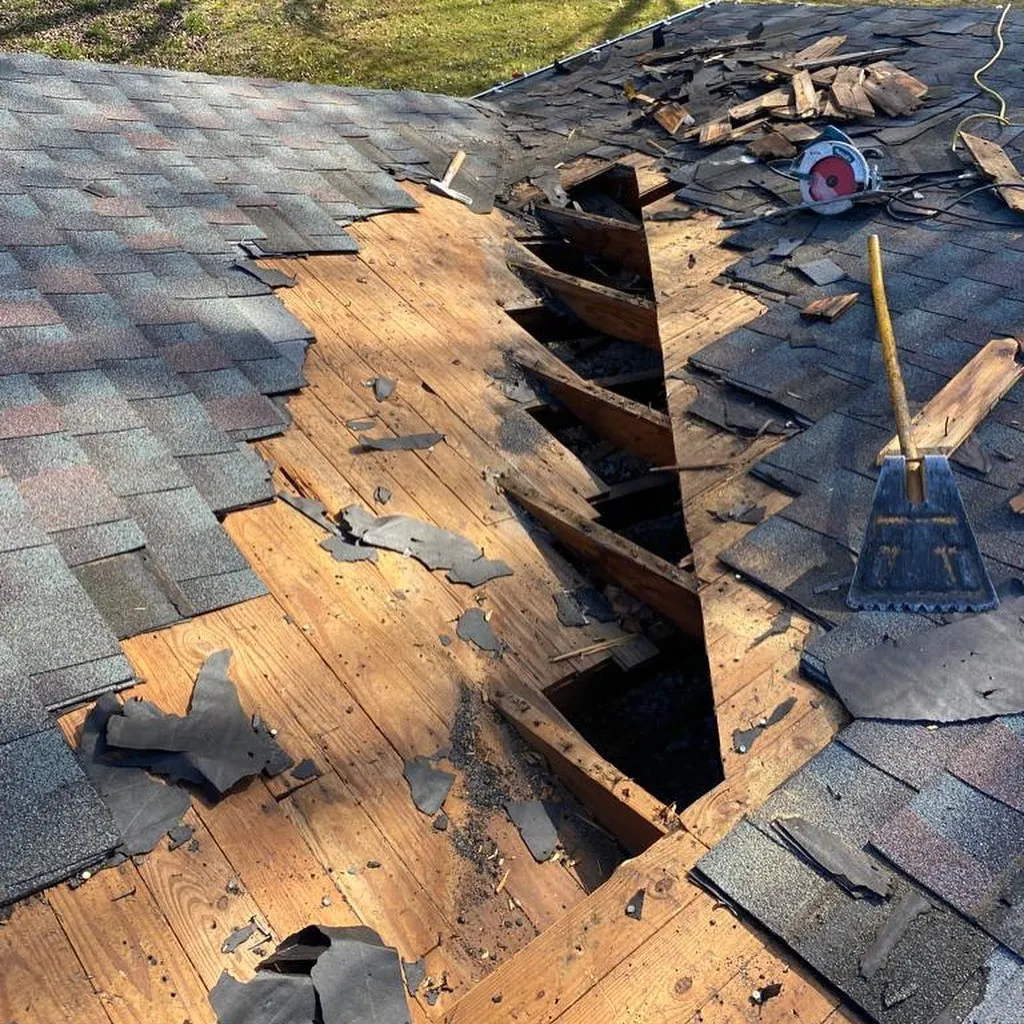
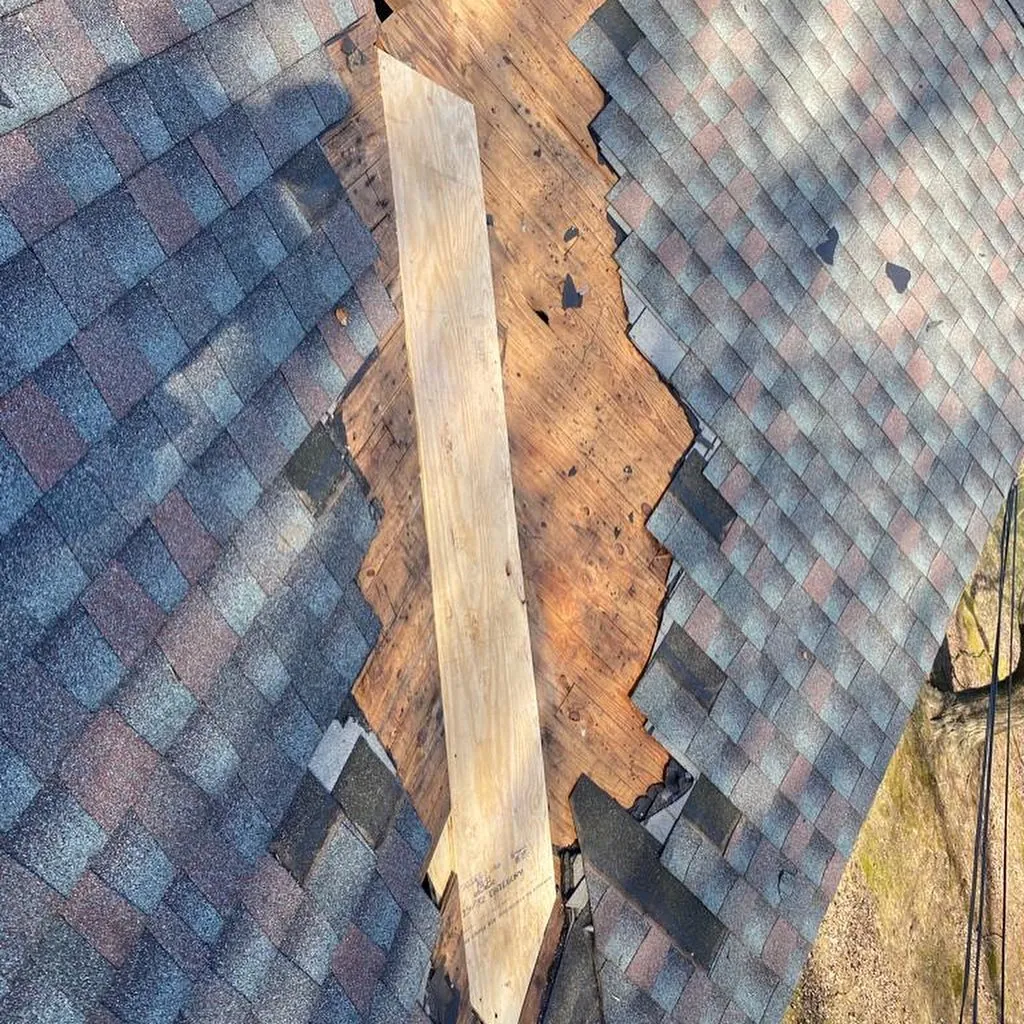
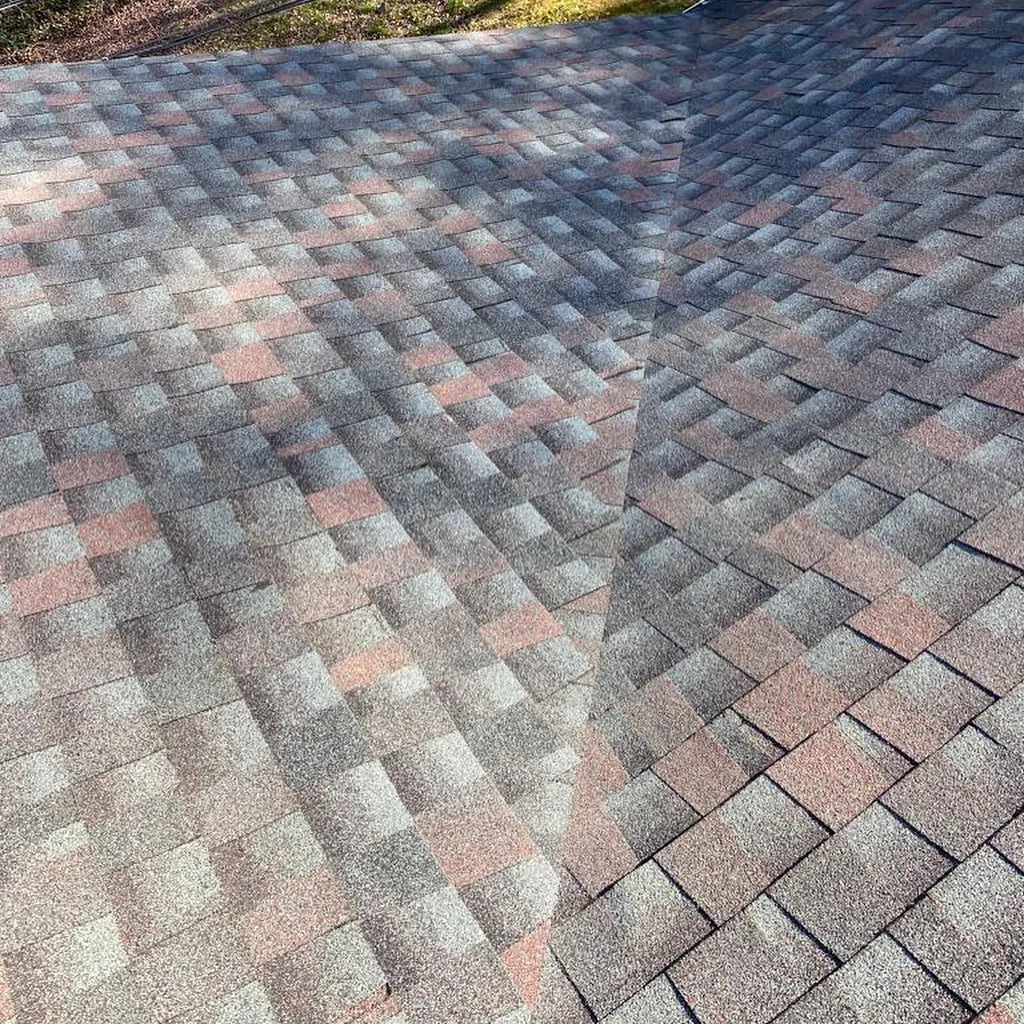
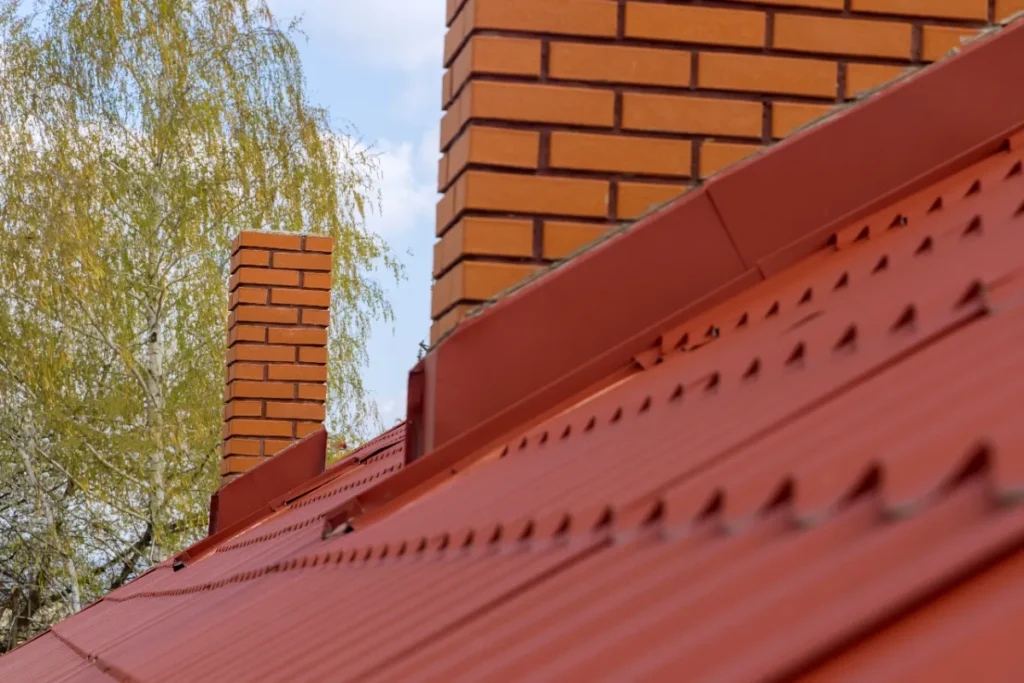
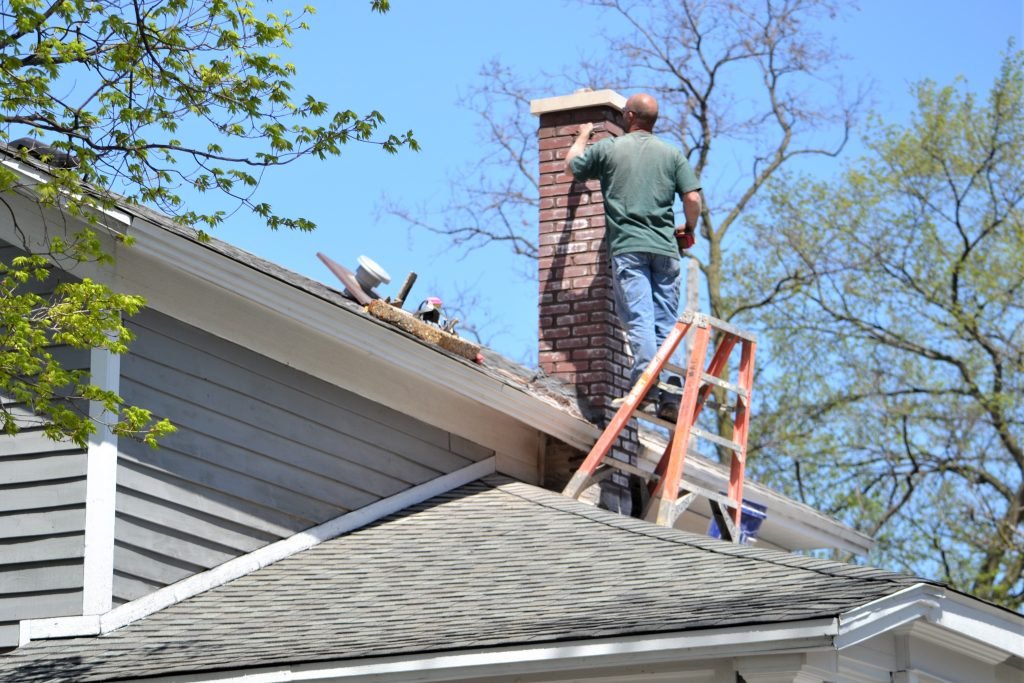
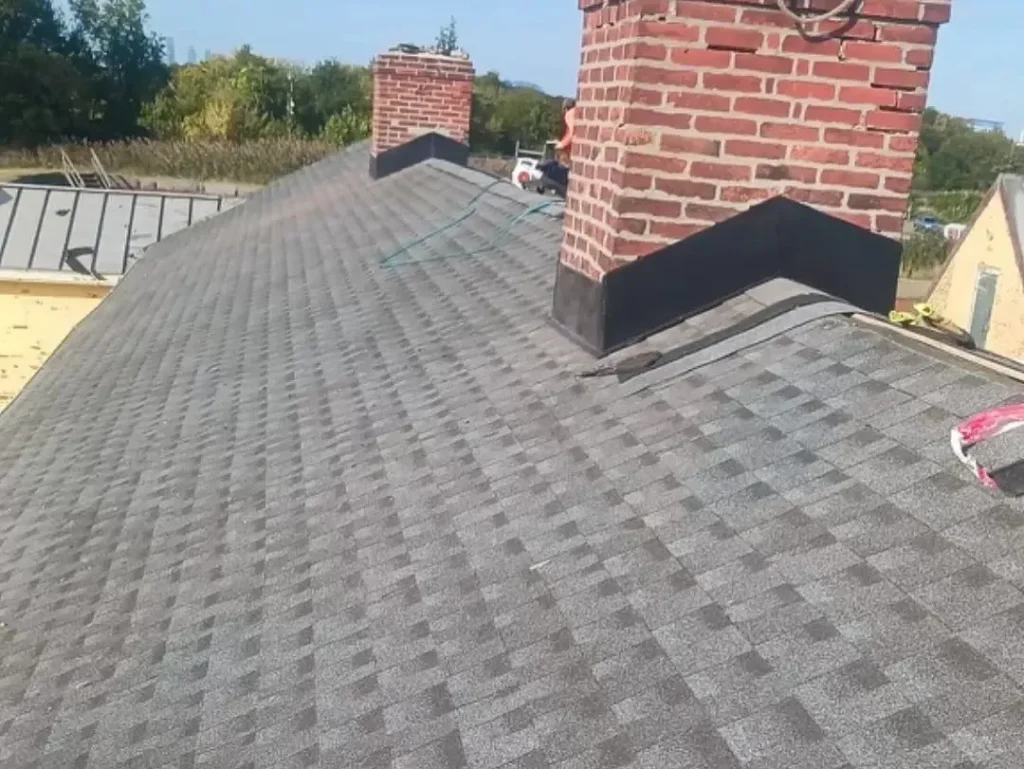
A property owner noticed recurring staining near an exterior wall after heavy, windy rain. During inspection, we traced the leak to a failing transition where water was entering at an edge detail and migrating behind the surface before appearing indoors. We corrected the flashing/edge termination, reinforced the surrounding area with compatible materials, and documented the repair with photos so the owner could see exactly what was addressed.
Local FAQs — Hudson County
Why do leaks get worse in wind-driven rain?
Strong wind can push water under lifted edges, into flashing gaps, and around rooftop penetrations. That’s why the leak may only show up during storms with a specific wind direction.
Do you repair leaks on flat or low-slope roofs?
Many Hudson County buildings have flat/low-slope sections. If the roof type is within our service scope, we’ll inspect seams, edges, drains/scuppers, and penetrations to find the source and recommend the correct repair.
Is caulking around the leak a permanent fix?
Usually not. Caulk can fail quickly and often doesn’t address the real issue (flashing detail, membrane seam, edge termination, or underlayment/transition problem).
What should I do while waiting for an inspection?
Catch drips with a container, move valuables, and avoid going on the roof. If possible, take interior photos and note exactly when it leaks (heavy rain, wind direction, after snow melt). That timing helps pinpoint the source faster.
Tip: If you have a flat roof, check for water ponding after storms and look for wet spots near drains, scuppers, and parapet walls—those are common leak zones in this area.