



Roof Leak Repair in Jersey City, NJ: Local Service Details
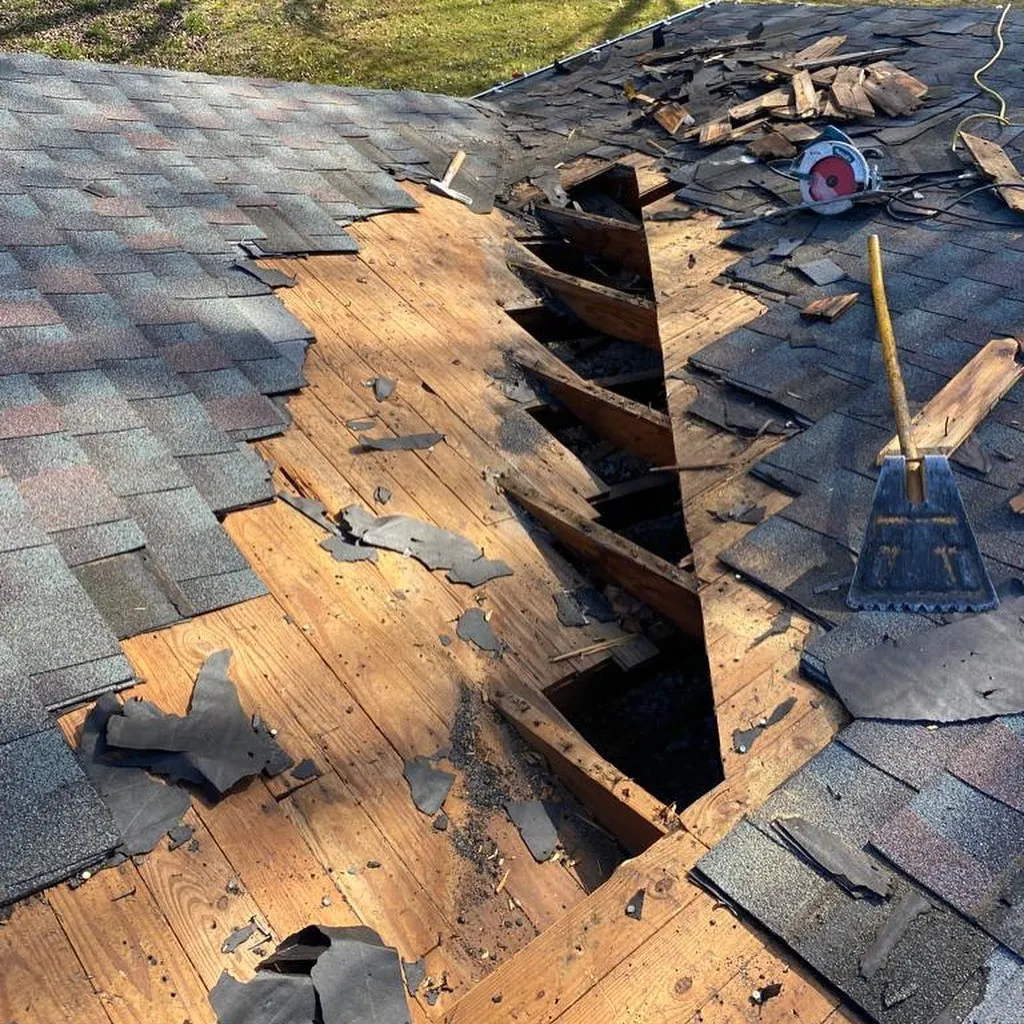
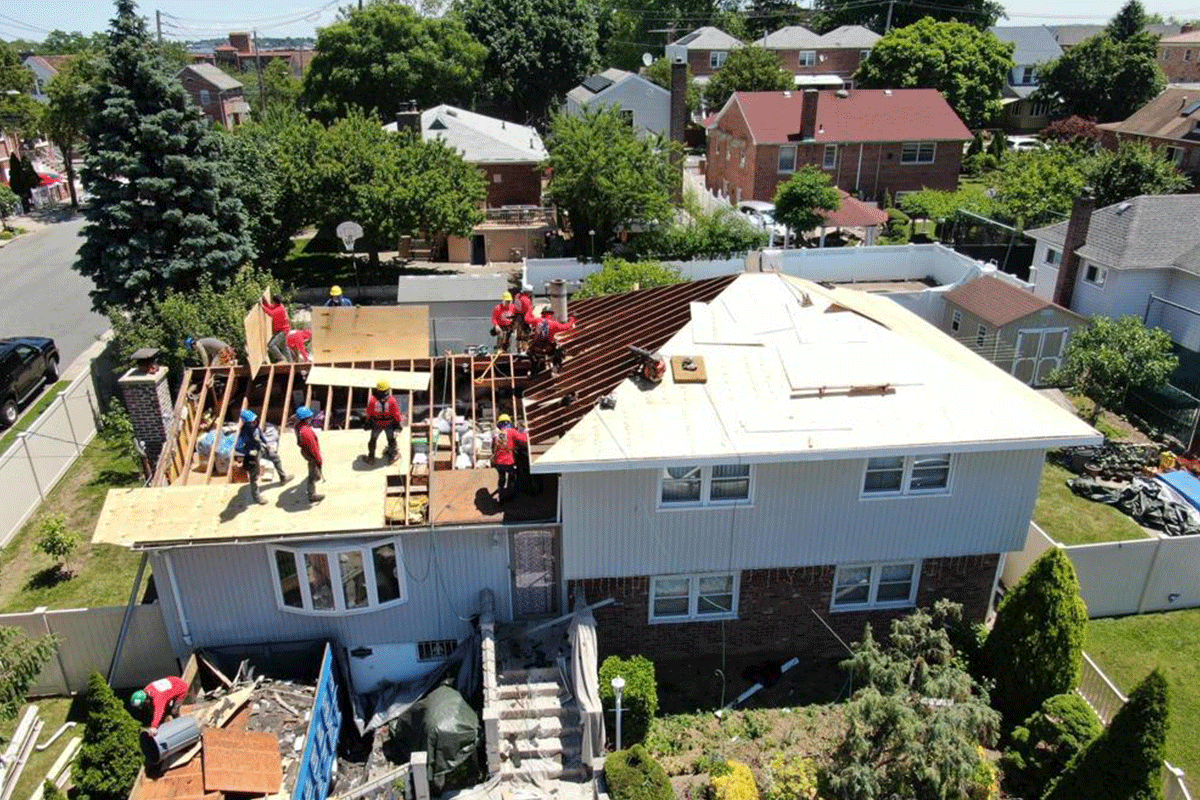
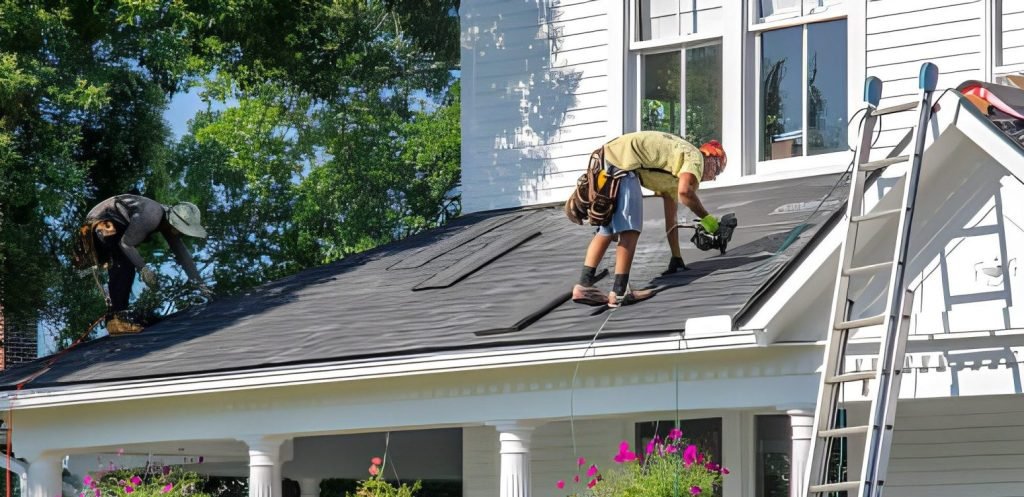
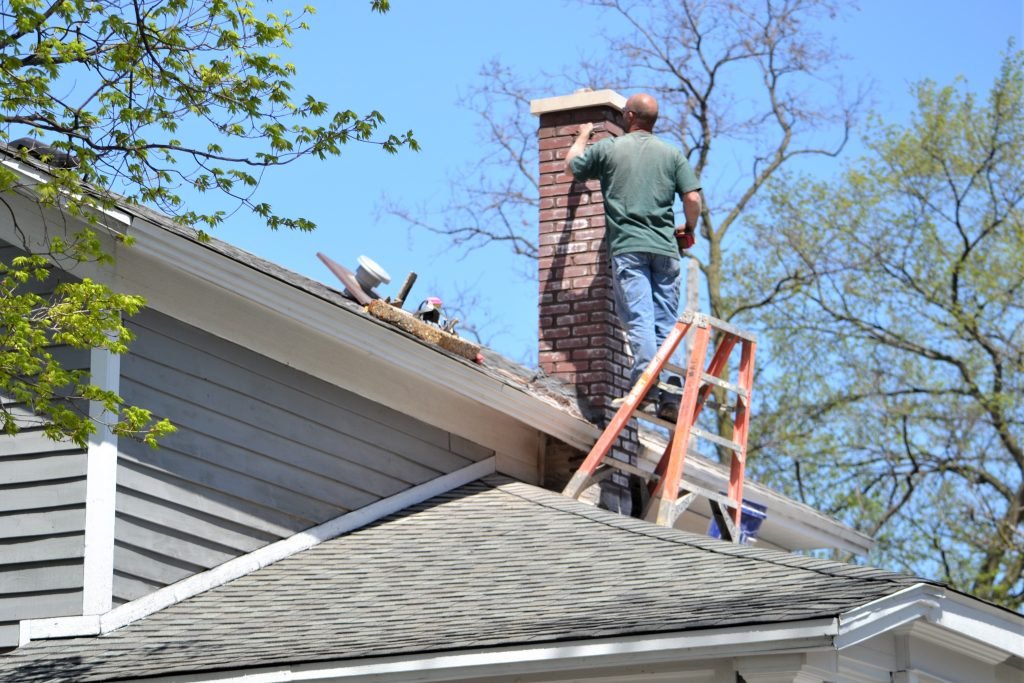
Roof leaks in Jersey City often show up after heavy rain, wind-driven storms, or freeze/thaw swings—commonly as ceiling stains, bubbling paint, damp insulation, or moisture around skylights, vent pipes, parapet walls, and roof-to-wall transitions. Because water can travel along roof decking and framing (or through flat-roof membrane layers) before it becomes visible indoors, the most reliable repair starts with leak tracing to pinpoint the true entry point and then fixing the roof detail that failed (flashing, valleys, penetrations, shingles, flat-roof seams, parapet coping, drains/scuppers, or gutter/edge details)—not just the interior symptom.
Neighborhoods & Nearby Areas We Commonly Serve
- Jersey City (all local neighborhoods)
- Downtown / Waterfront
- Journal Square
- The Heights
- Bergen-Lafayette
- Greenville
- West Side
- Hoboken
- Bayonne
- Union City
- Weehawken
- Secaucus
Mini Case Study (Example)
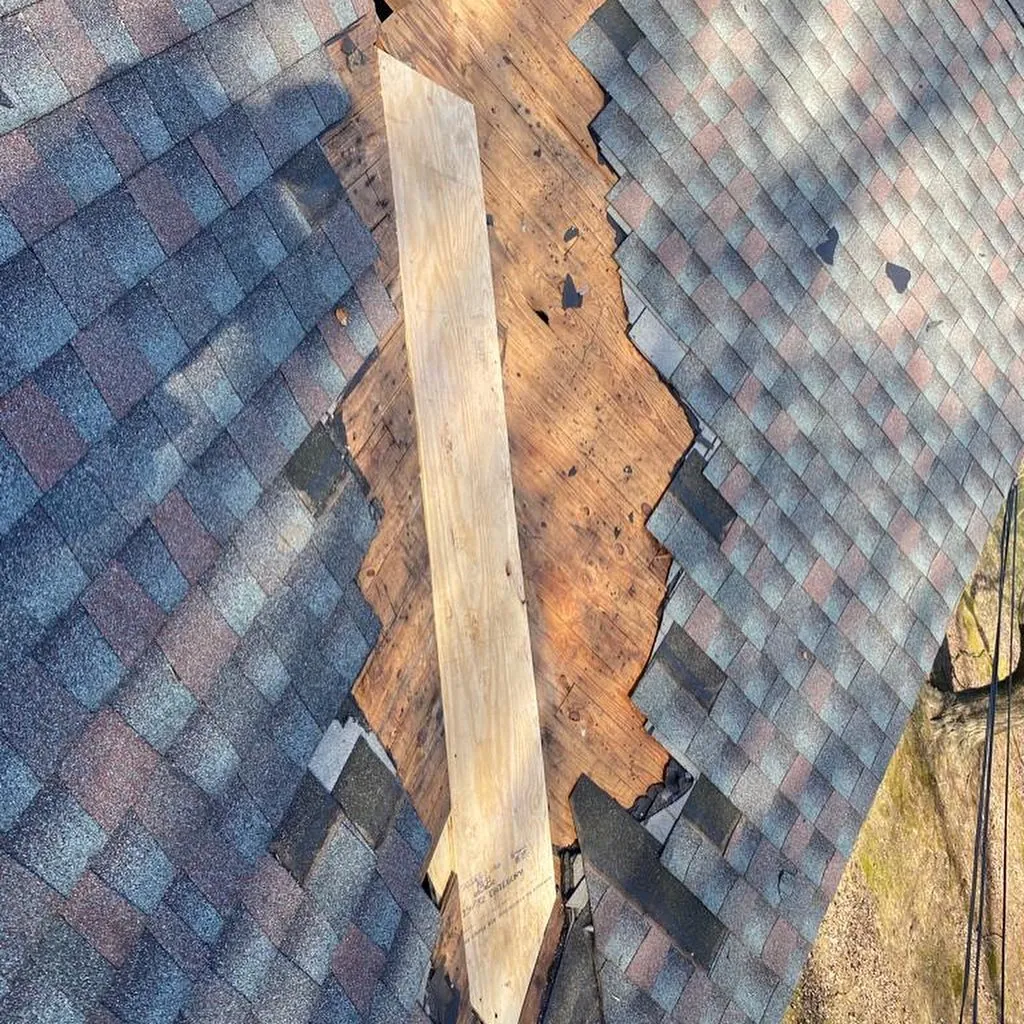
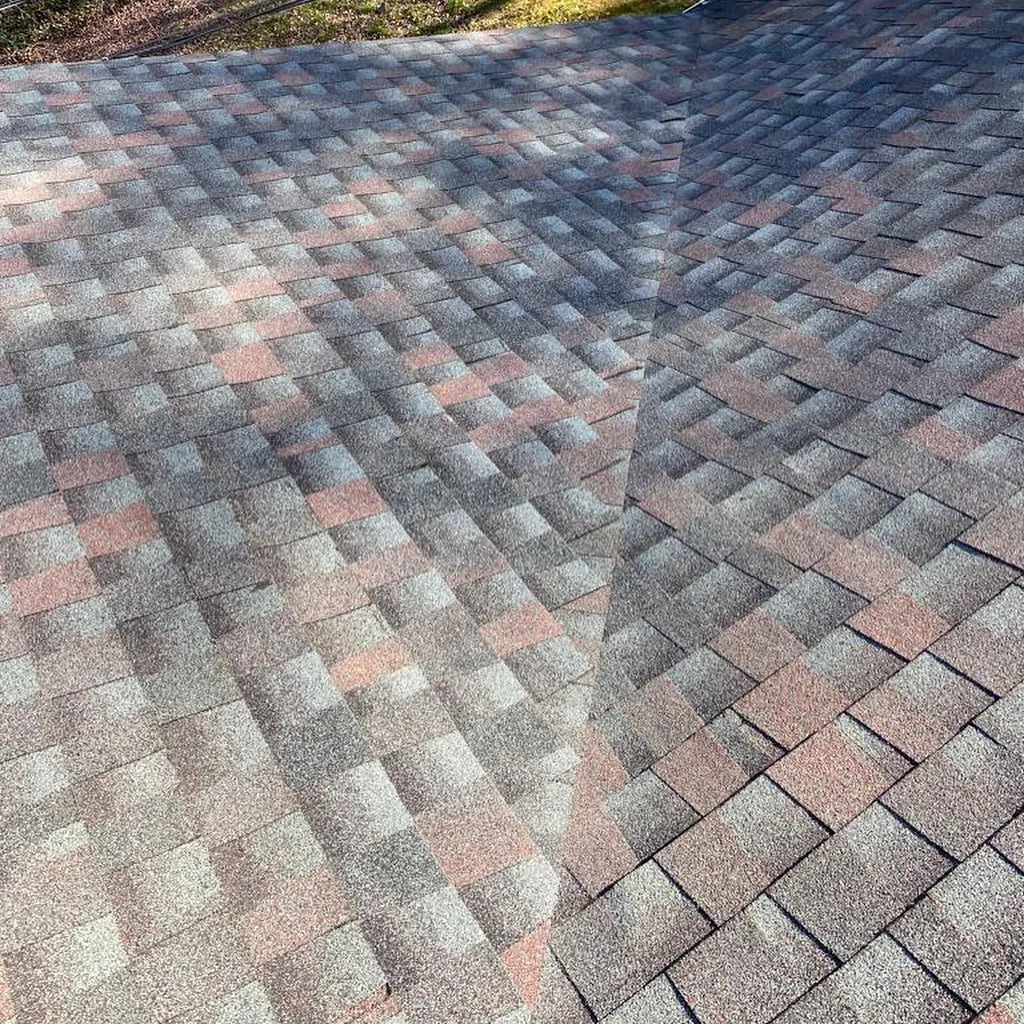
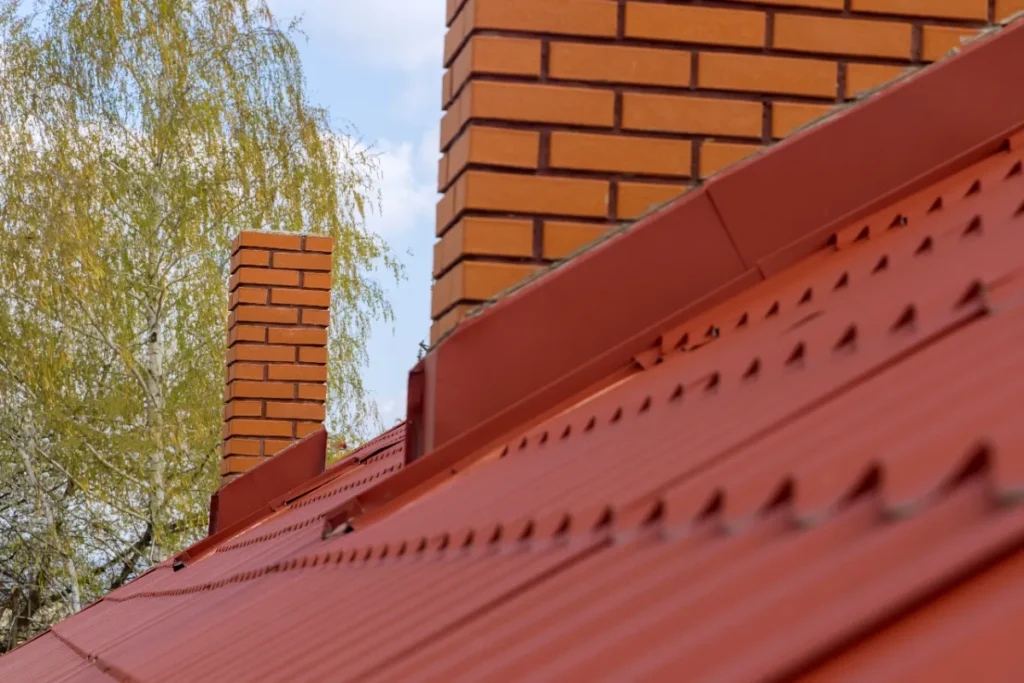
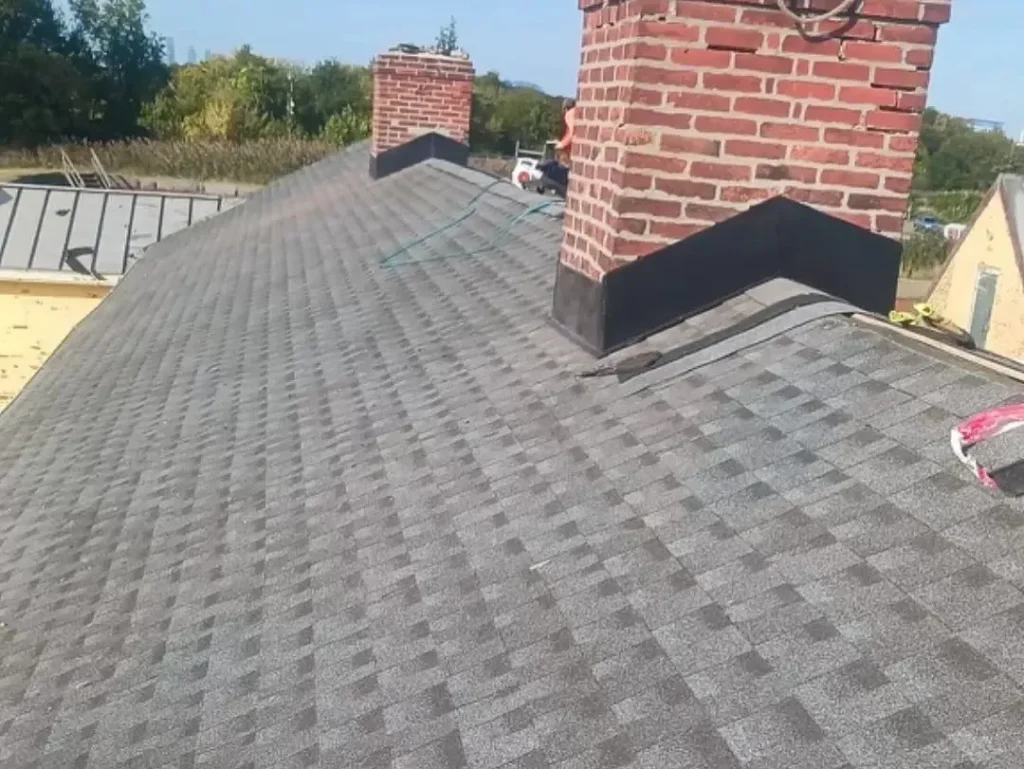
A homeowner reported staining that appeared after wind-driven rain and returned during the next storm. Inspection traced the leak to a failing parapet/roof-to-wall flashing transition on a low-slope section where water was getting behind the flashing and migrating before dropping into the ceiling. We corrected the flashing detail, reinforced the membrane seam and transition with compatible materials, checked nearby drains/scuppers and penetrations, and documented the repair with photos.
Local FAQs — Jersey City
Why does my roof leak only during heavy rain or windy storms?
Wind can push water into small gaps at parapet transitions, flashing edges, and roof penetrations. During intense rain, those weak points take on more water and the leak becomes noticeable inside.
Are flat/low-slope roof leaks common in Jersey City buildings?
Yes—many properties have low-slope roofs and parapet walls. Leaks often start at membrane seams, roof-to-wall transitions, coping caps, and around drains/scuppers. A lasting repair focuses on the seam or transition detail—not just surface patching.
Can a small leak cause bigger damage if I wait?
It can. Even minor water entry can soak insulation, stain drywall, and create ongoing moisture issues. Early diagnosis and repair is usually simpler and more cost-effective.
What should I do while waiting for an inspection?
Catch drips with a container, move valuables away from the leak area, and avoid climbing onto the roof. If safe, take interior photos and note the timing (heavy rain, wind direction, after snow melt).
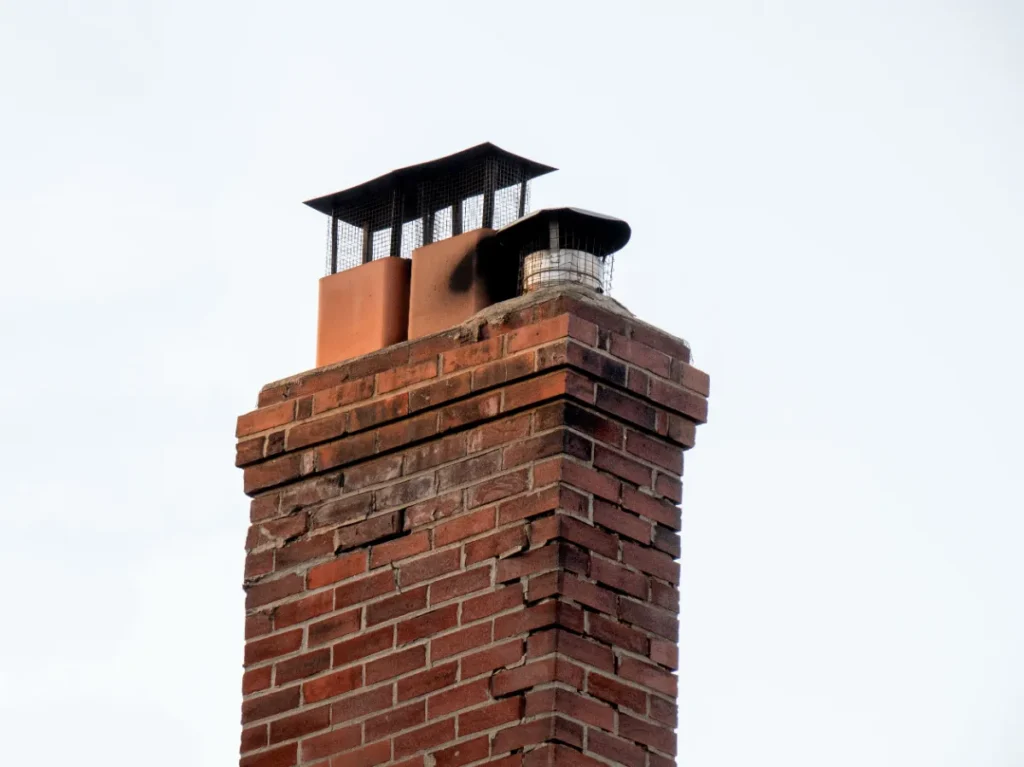
Tip: If the leak shows up along an exterior wall in an upper-floor unit, the source is often a parapet/coping or roof-to-wall flashing detail (or a nearby drain/scupper) where wind-driven rain is getting into the system.