



Roof Leak Repair in Morris County, NJ: Local Service Details
Roof leaks in Morris County frequently show up after heavy rain, snow melt, or repeated freeze/thaw cycles—when shingles crack, flashing loosens, or moisture works into vulnerable roof transitions. Many “mystery leaks” happen because water travels along the roof deck before it appears inside as a ceiling stain, damp drywall, or attic moisture. That’s why we start with leak tracing to pinpoint the true entry point and then repair the specific roof detail that failed (flashing, valleys, penetrations, shingles, or low-slope seams).
Areas We Serve Across Morris County
- Morristown
- Parsippany-Troy Hills
- Madison
- Chatham
- Florham Park
- Dover
- Rockaway
- Randolph
- Denville
- Montville
- Boonton
- Whippany
Mini Case Study (Example)
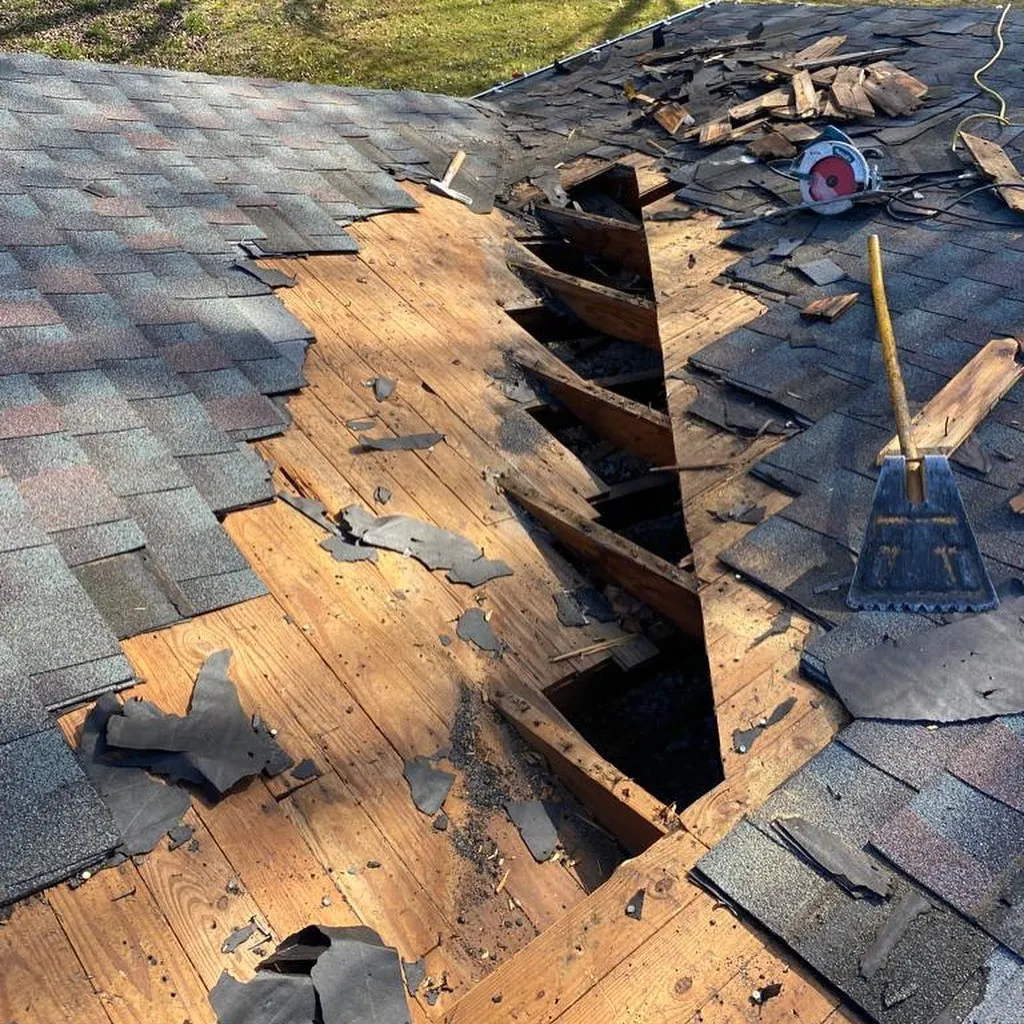
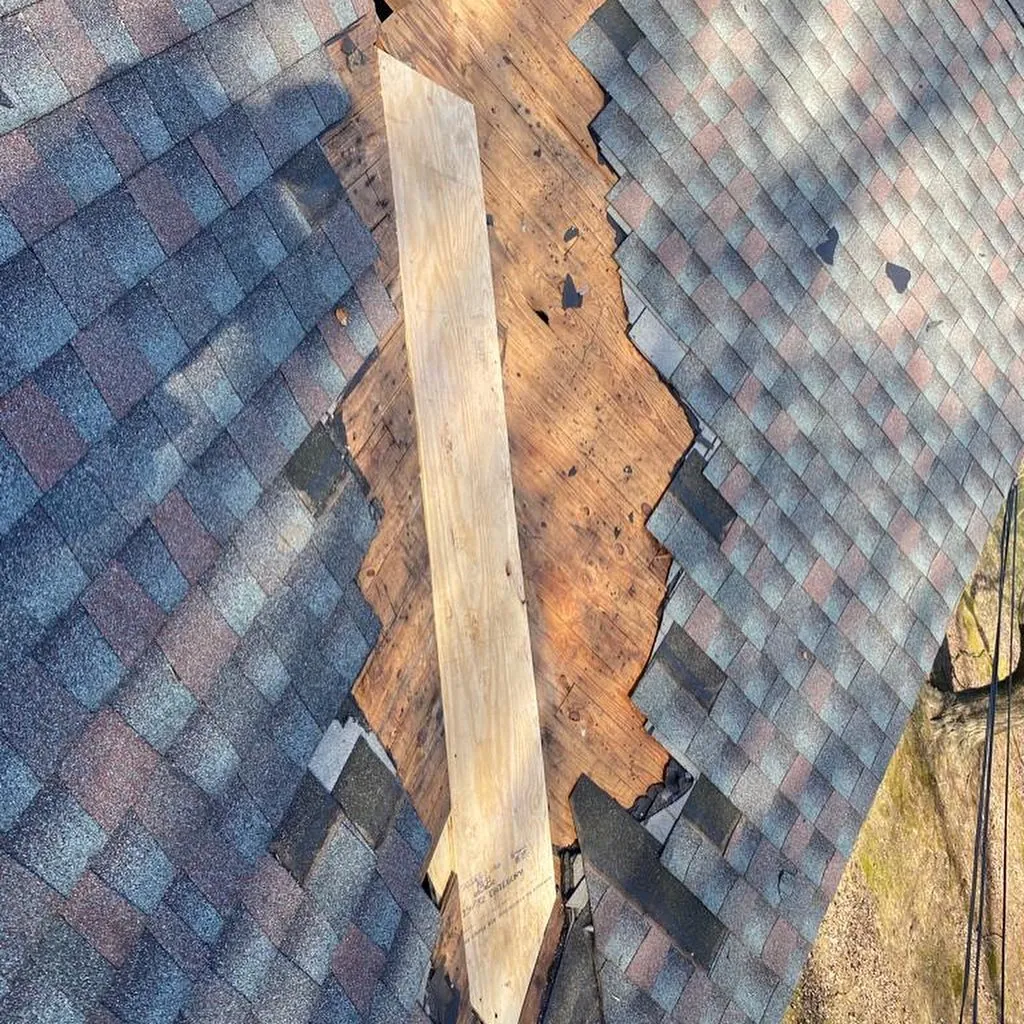
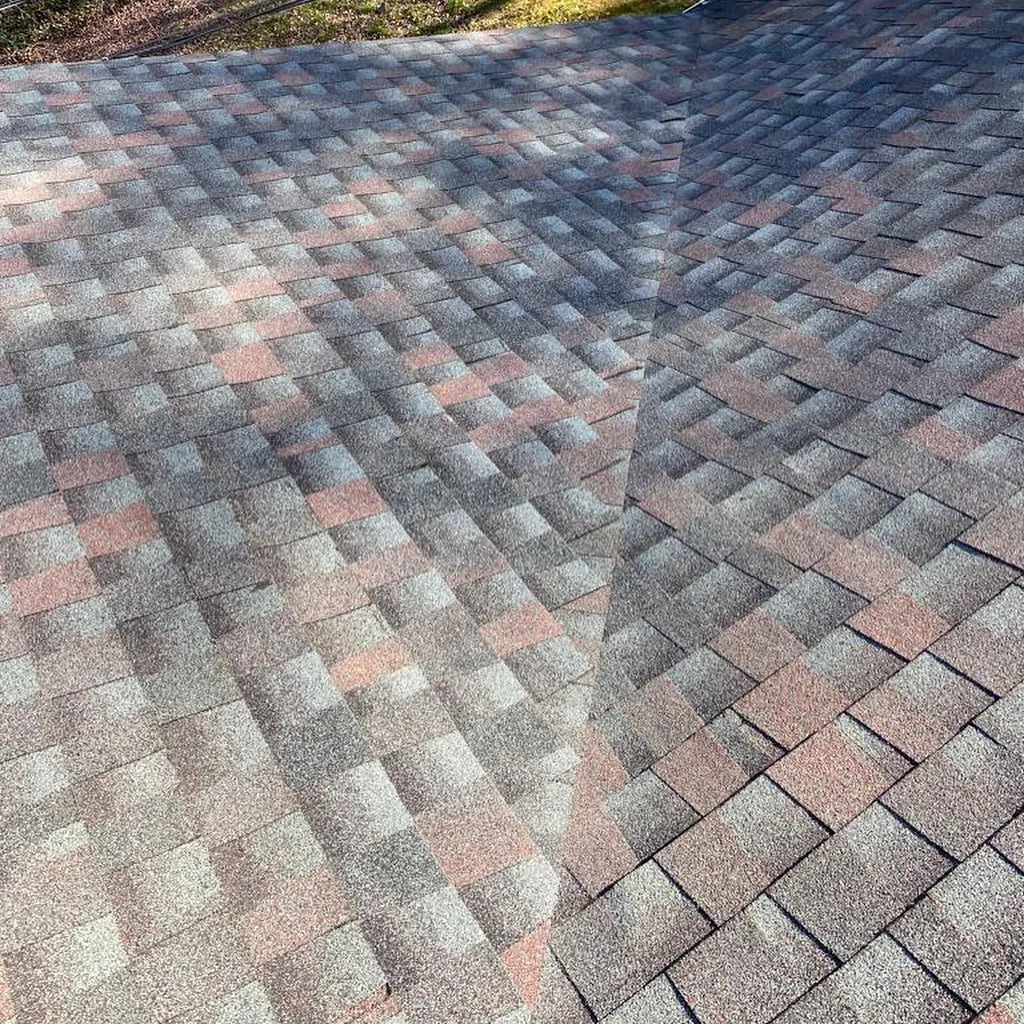
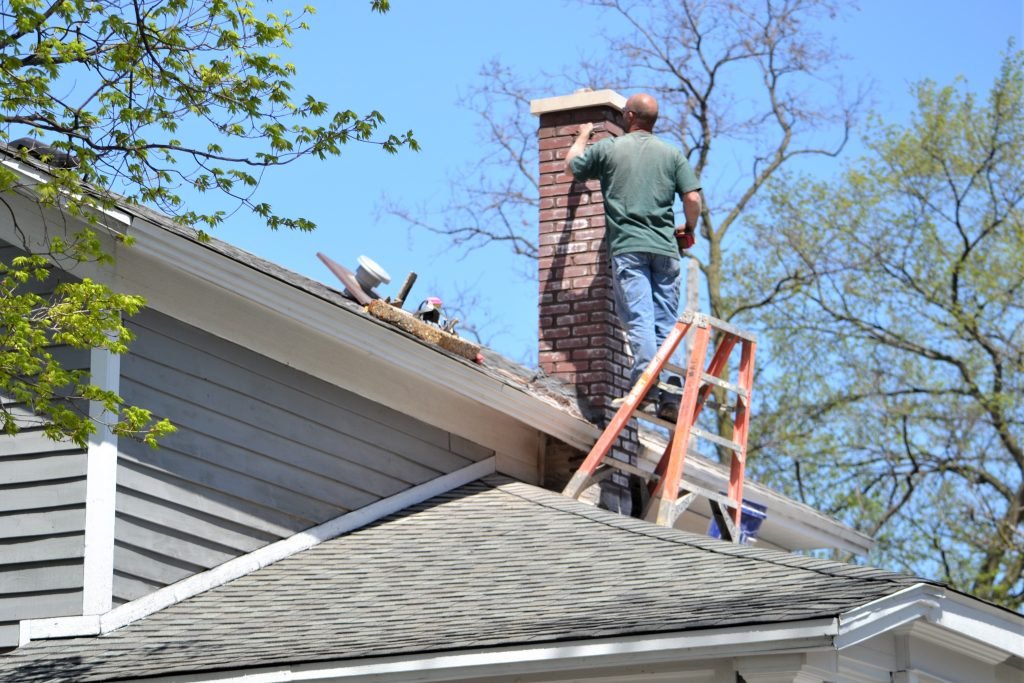
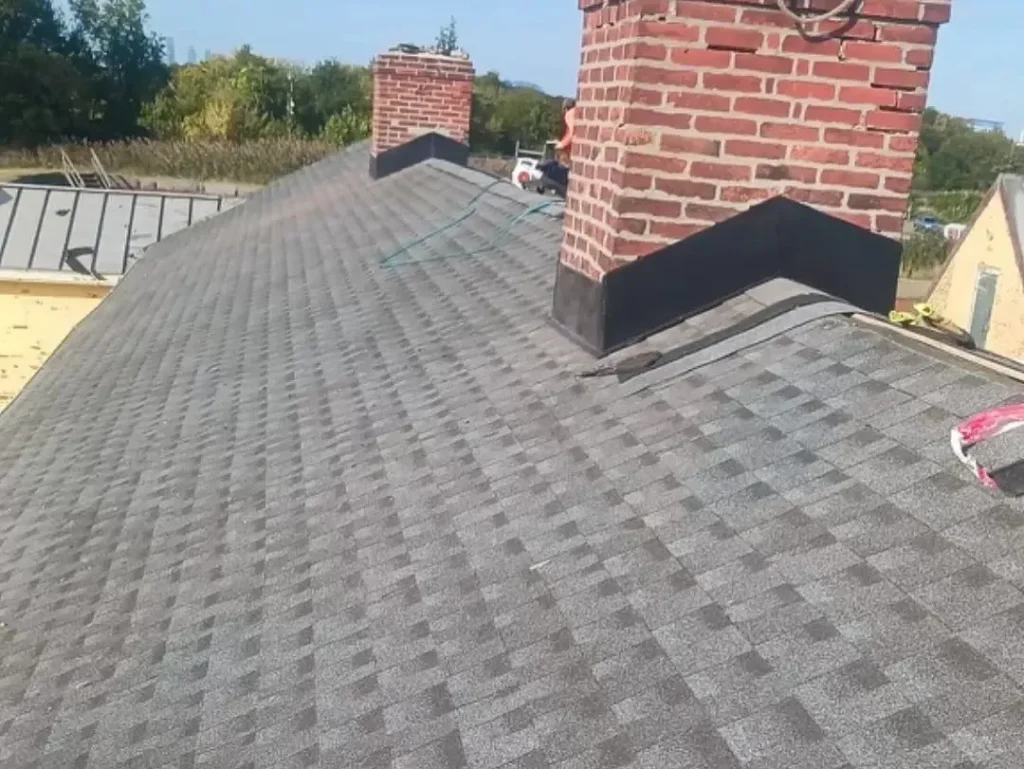
A homeowner noticed staining that grew after snow melt and then returned during the next heavy storm. Inspection revealed water entering at a worn flashing transition near a roof penetration and migrating along the decking before dropping into the ceiling area. We corrected the flashing detail, replaced compromised materials around the entry point, sealed the transition with compatible products, and documented the repair with photos for clear proof of what was fixed.
Local FAQs — Morris County
Why does my leak show up after snow melt instead of during rain?
Melting snow can feed water into valleys, roof edges, and flashing transitions for hours. If there’s a weak point, moisture can enter slowly and appear inside later.
Are valleys, chimneys, and vent pipes common leak sources?
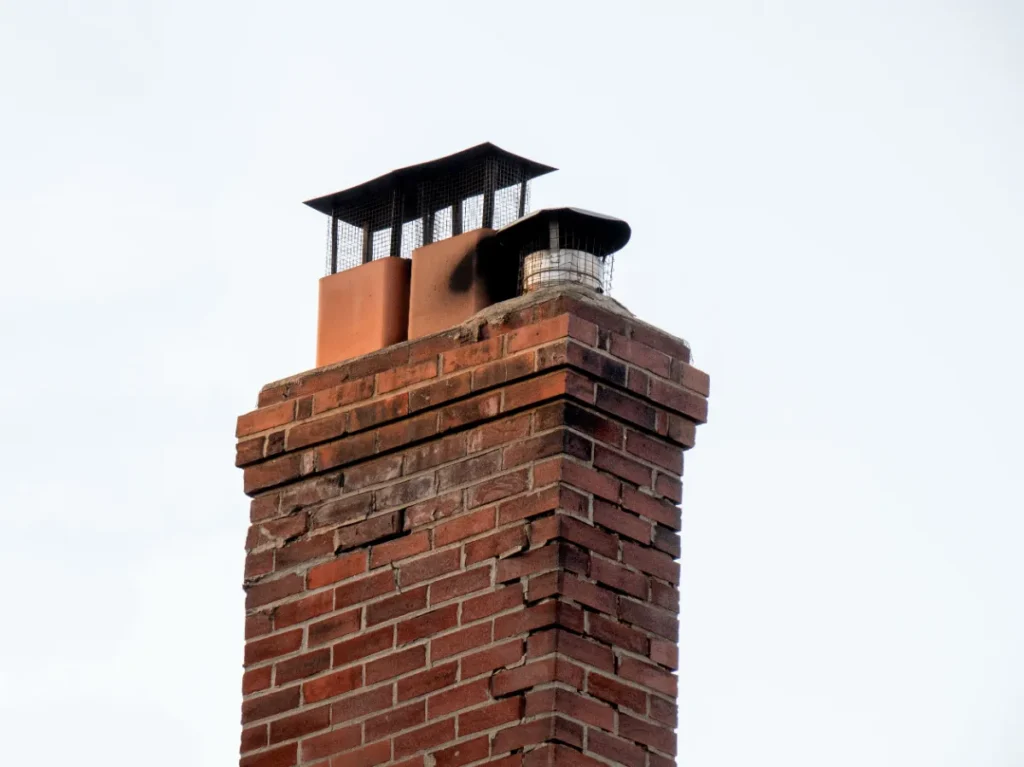
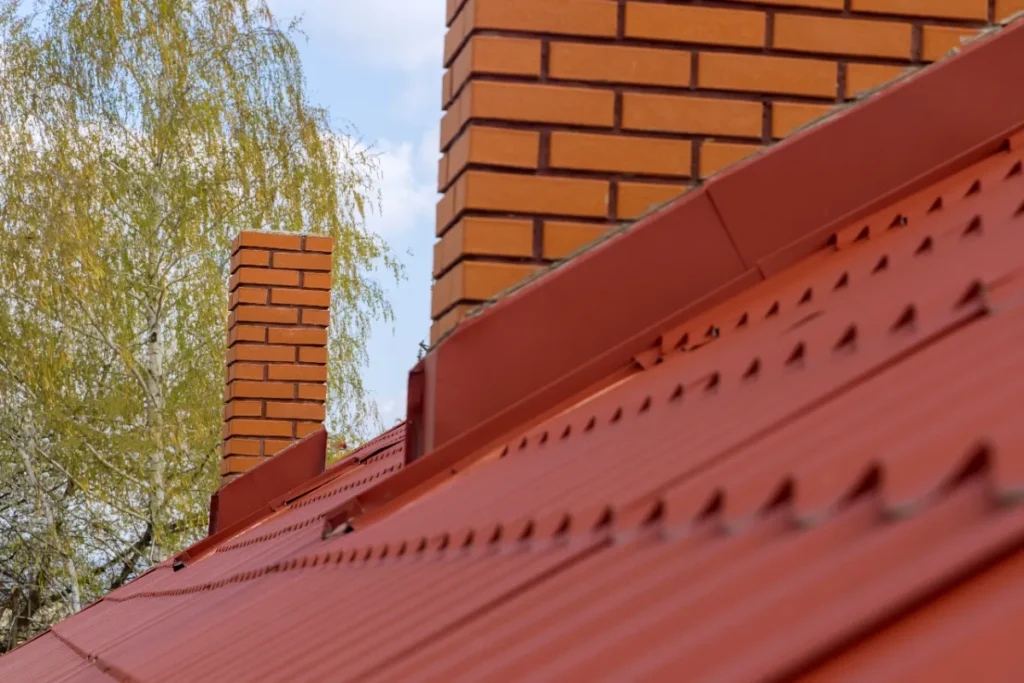
Yes. Valleys handle concentrated runoff, chimneys rely on layered flashing details, and vent/pipe boots can crack over time. These are among the most frequent leak zones we find.
Can a small leak cause bigger damage if I wait?
It can. Even minor water entry can soak insulation, stain drywall, and create ongoing moisture issues. Early repairs are typically simpler and more cost-effective.
What should I do while waiting for an inspection?
Catch drips, move valuables, and avoid climbing onto the roof. If safe, take photos of the interior staining and note when it leaks (heavy rain, wind direction, after snow melt). That timing often points directly to the source.
Tip: If the leak worsens in late winter or early spring, the source is often a valley, roof edge, or flashing transition stressed by ice and temperature swings.